Sussex County, Delaware
Roofing in Sussex County, DE
GAF Master Elite roofing for the beaches and the inland towns, installed to the coastal wind code.
Roofing at the Beaches: Wind Code, Salt Air, and the Rental Season Clock
A roof in Rehoboth Beach takes different wind loads than a roof at the other end of the state, and coastal homes need different flashing details than homes an hour inland. If your house sits in the coastal wind zone, the install has to meet the building code’s high-wind requirements, which in practice means:
- Six nails per shingle instead of four
- Synthetic underlayment rather than felt
- Ice and water shield at the eaves, in the valleys and around every penetration
- Specific starter strip and hip and ridge cap details
The material side of that adds a few hundred dollars on a standard home, and the labor adds about as much again, because that denser nail pattern slows a crew down and the inspectors check it.
Figure a total premium of $500 to $1,000 over what the same job costs inland. We install to that standard on every Sussex County job, whether the house is in Lewes, Rehoboth Beach, Bethany or ten miles back in Millsboro.
What salt air does to a roof
The other thing the coast does is corrode. Salt goes after the metal first: flashing around chimneys and skylights, the boots on vent pipes, the drip edge along the eaves. Those parts often fail years before the shingles around them look old, so a roof that looks fine from the driveway can be leaking at the metal.
We replace corroded flashing with corrosion-resistant metal (aluminum or stainless, depending on what it’s touching), and if you want the longest possible service life on an exposed lot, standing-seam metal is worth pricing. Inland, in Georgetown, Seaford and Milford, you still get the wind but not so much salt, and the job looks more like the rest of Delaware.
Pricing and permits in Sussex County
Pricing down here is harder to pin down than up north, partly because the coastal towns each charge their own permit fees and partly because of the rental calendar. Most Delaware roof replacements land between $8,000 and $18,000, with a standard-size home somewhere around the middle, and a coastal Sussex job carries the wind-zone premium on top of that.
Labor in Lewes, Rehoboth and Bethany Beach runs about $4,800 on a 2,000-square-foot replacement, against roughly $4,300 in northern New Castle County: the stricter wind code, salt air chewing on equipment, and the squeeze every spring when everyone wants the roof done before the renters arrive. No Delaware sales tax on materials.
Permits are patchier than up north. Sussex County itself generally wants one once sheathing is being replaced or the roofing material changes, and the beach towns inside their own limits (Lewes, Rehoboth, Dewey, Bethany, Fenwick) run their own building offices with their own rules and fees. We confirm what applies to your address when we quote, and where a permit is needed we pull it and book the inspection.
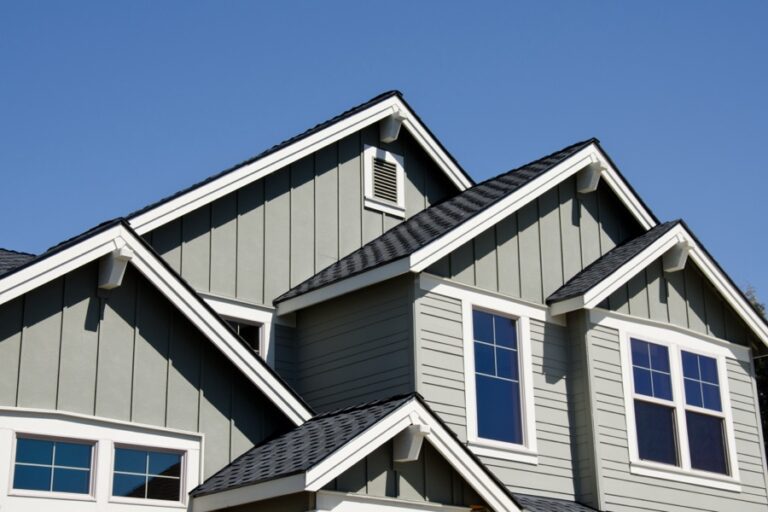
Roof Replacement
GAF Master Elite certified. Most residential roofs completed in a single day.
Get a quote →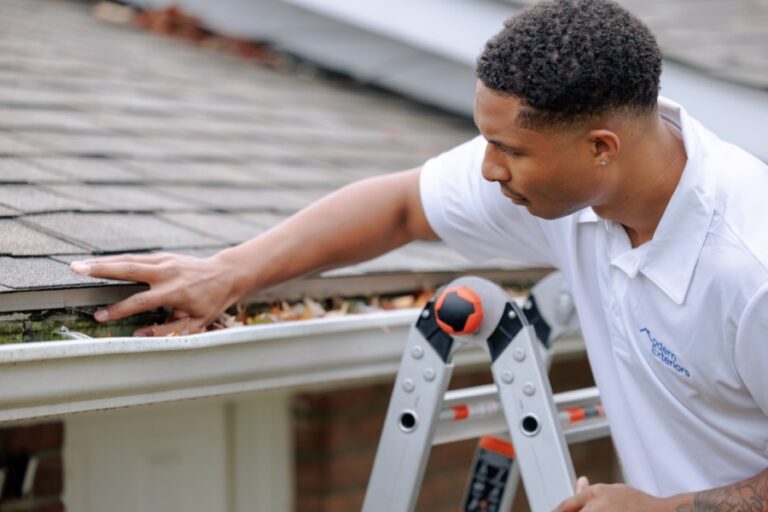
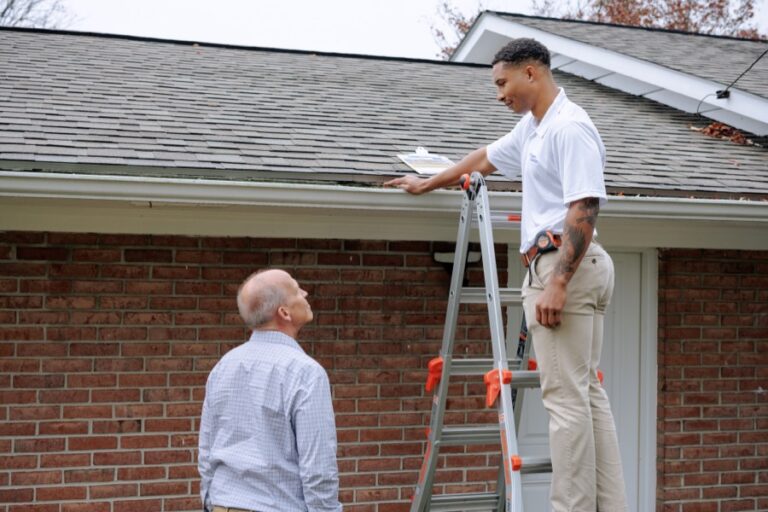
Roof Inspections
Detailed inspection reports with photos. Know exactly what your roof needs.
Schedule inspection →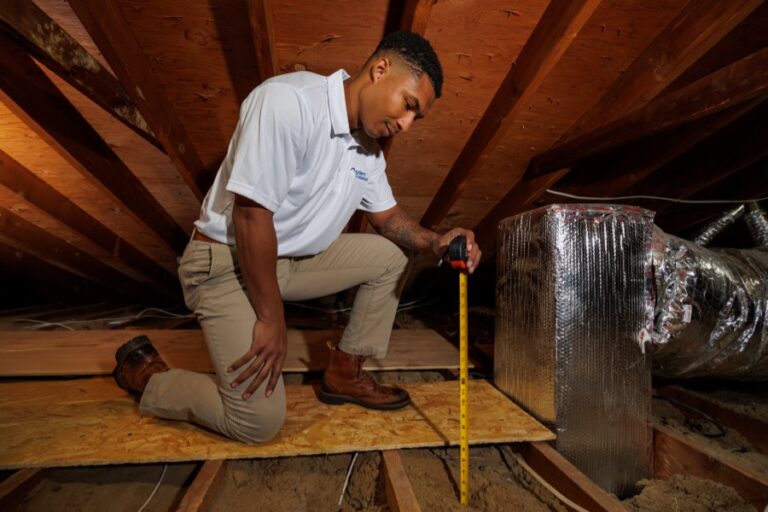
Common Roofing Questions: Sussex County, Delaware
How much does a roof replacement cost in Sussex County?
Do you offer free roof estimates in Lewes and Rehoboth Beach?
What is different about a coastal roof installation?
Uplift and salt. Wind takes a roof by lifting it, and it gets its grip at the edges, the eaves and rakes, and along the ridge. So a coastal install is mostly about the edges: a starter strip with its own adhesive line so the first course can’t lift, six nails per shingle placed in the nail line (a nail driven an inch high misses the double-thickness zone and holds about half as well), drip edge under the underlayment at the eaves and over it at the rakes, and hip and ridge caps rated for the same wind speed as the field shingles, which is worth checking on any quote. Timberline HDZ, the GAF shingle on most of our jobs, carries a 130 mph rating when it goes on this way.
Then salt. It corrodes galvanized steel far faster at the shore, so the pipe boots, step flashing and drip edge that would last twenty years in Georgetown need to be aluminum, stainless or copper here, and so do the nails that fasten them. None of it is exotic. Most of it is on the shingle manufacturer’s own high-wind installation sheet, which any roofer should be able to show you.