Metal Roofing
Metal Roofing in Delaware
Standing-seam metal for homeowners who plan to stay, with the cost math against asphalt laid out in plain numbers.
Standing-Seam Metal: What It Costs in Delaware and When the Math Works
Standing-seam metal costs somewhere between one and a half and two times what architectural shingles cost, and lasts 40 to 60 years against 25 to 30 for a good architectural shingle in Delaware's climate. That's the trade, and everything else on this page is detail.
On a 2,000-square-foot home expect $16,000 to $32,000 depending on the system. Exposed-fastener panels, the agricultural look, sit at the low end. Standing seam, the clean interlocking panels with no screws showing, runs $22,000 to $30,000 for a standard home.
The labor is more specialized, there are fewer crews who do it well, and custom-ordered panels can take four to six weeks to arrive. Plan for that.
When the math works
Whether the math works depends on one thing: how long you're staying. A good architectural shingle roof lasts 25 to 30 years here, so if you're staying past that point you're comparing one metal roof against two asphalt roofs, and that second asphalt roof will cost $12,000 to $15,000 in today's money, probably more by then. A light-colored metal finish also reflects more summer heat than dark shingles, which trims cooling bills a bit, though in Delaware that's a footnote next to the lifespan. Run two roofs against one and standing seam starts looking less expensive than the quote suggests.
If you're selling in five years, metal is an expensive vanity project and we'd rather you didn't. If you're staying for good, it's the cheapest roof you can buy per year of service. We'll tell you which side of that line we think you're on.
The clearest case for metal in Delaware is exposure. Standing seam gives you the most wind resistance you can get on an open Kent County lot, where nothing slows a gust before it hits the roof, and the longest life against the salt air that eats flashing and fasteners near the bay and the beaches.
We install it as a complete system, tear-off to the decking first, no roofing over old shingles, with the same attention to attic ventilation we bring to every job. No Delaware sales tax on the materials. Switching from shingles to metal counts as a change of roofing material, which needs a permit everywhere we work in Delaware, and we pull it.
And for the record: architectural shingles are still the right call for about 90 percent of Delaware homeowners. If that's you, we'll say so, and we'd rather lose the upsell than put the wrong roof on your house.
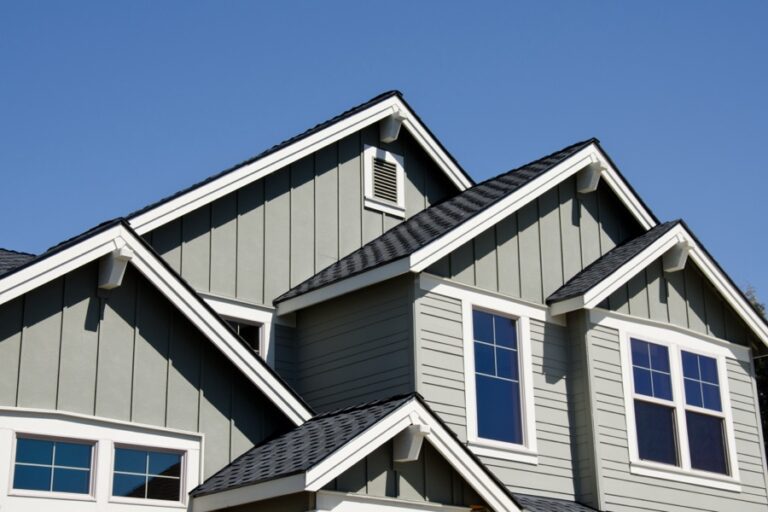
Roof Replacement
GAF Master Elite certified. Most residential roofs completed in a single day.
Get a quote →
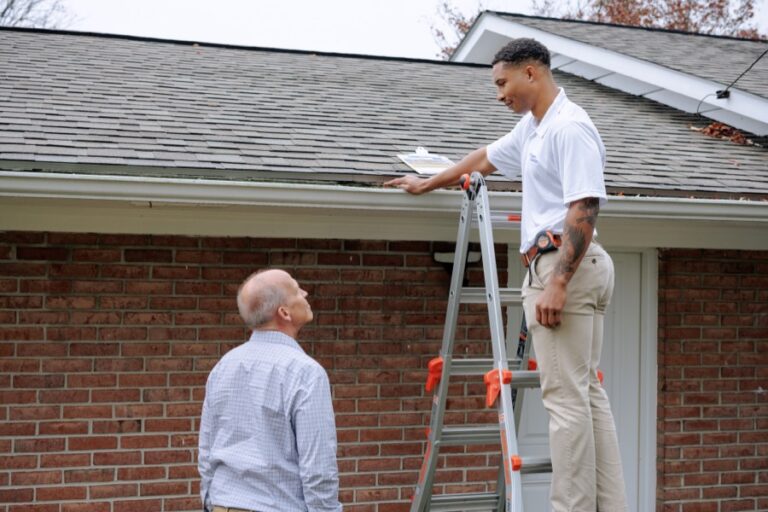
Roof Inspections
Detailed inspection reports with photos. Know exactly what your roof needs.
Schedule inspection →
Common Roofing Questions: Metal Roofing
How much does a metal roof cost in Delaware?
How long does a metal roof last?
What is the difference between standing seam and exposed-fastener metal?
Exposed-fastener panels are screwed down through the face of the panel. It’s the barn look, it’s cheaper, and every one of those screws is a hole in the roof with a rubber washer keeping the water out, which is fine on a pole barn and less fine over your bedroom.
Standing seam interlocks the panels and hides the fasteners. Within standing seam there are two families: snap-lock, where the panel edges click together, and mechanically seamed, where a tool folds the seam closed on the roof; the seamed kind is what you want on a low pitch or a wide-open lot. One thing to expect from either is oil canning, the faint waviness you see across flat metal in raking light. It’s cosmetic, it’s worse on wider panels, and a striated or ribbed panel profile mostly hides it. Ask to see it on a finished roof before you pick a panel width.