If you’re pricing out new siding, you’ve probably already narrowed it to these two: fiber cement or vinyl. Both show up on nearly every reputable contractor’s list, and both can look great on the right house. (If you haven’t narrowed it down yet and want to see how these two stack up against wood, brick, and stucco first, compare all siding material types before coming back here.) The part most articles skip is the actual cost math, and that’s usually the thing that decides it. So let’s start there, then get into how each one holds up over the 15 to 30 years you’ll actually be living with it.
Fiber Cement vs Vinyl Siding at a Glance
Here’s the short version, for anyone who just wants the numbers before reading the reasoning behind them.
| Fiber Cement Siding | Vinyl Siding | |
|---|---|---|
| Cost per sq ft (installed) | Roughly $6-$13 | Roughly $3-$8 |
| Lifespan | 30-50 years with upkeep | 20-40 years, varies a lot by product grade |
| Maintenance | Repaint every 10-15 years unless factory-finished | Occasional wash, no painting |
| Appearance | Can mimic wood grain, stucco, or masonry convincingly | Looks like vinyl; better on modest, low-profile homes |
| Install | Heavier, needs specialized cutting tools, more labor | Lighter, faster install, more crews can do it |
Those ranges are typical, not a quote. Your actual number depends on your home’s siding profile, how much tear-off is involved, and which crew is doing the installation. Get quotes from actual contractors before you budget against these figures.
Fiber cement is cement, sand, and cellulose fibers pressed into planks, then usually cured and finished at the factory. It’s heavy for a siding material, which is part of why it resists impact, fire, and rot so well. Vinyl is PVC, essentially the same family of plastic as a lot of plumbing pipe, extruded into panels and colored all the way through so scratches don’t show white underneath. Neither is exotic. Both have been standard residential products for decades, which is exactly why the comparison keeps coming up.
Fiber Cement vs Vinyl Siding Cost
Search “fiber cement vs vinyl siding” and you’ll find a dozen articles that describe cost as “varies” and move on. It does vary, but here are the actual ranges people are asking for.
Cost Per Square Foot
Installed fiber cement typically runs somewhere in the $6 to $13 per square foot range, materials and labor combined. Vinyl usually lands lower, around $3 to $8. Where you fall in either range depends heavily on the specific product line: budget vinyl panels and premium engineered fiber cement boards can be worlds apart even within the same material category. Treat any number you see as a starting point for a conversation with a local installer, not a fixed price.
Total Installed Cost by House Size
For a 2,000 sq ft home, that translates to roughly $12,000 to $26,000 for fiber cement, and roughly $6,000 to $16,000 for vinyl, again before you factor in tear-off, trim work, or repairs to the sheathing underneath (which you find out about after the old siding comes off, not before). Bigger or more architecturally complex homes push both numbers up, sometimes by a lot if there’s a lot of cutting around windows and rooflines.
Hardie Board Cost vs Vinyl
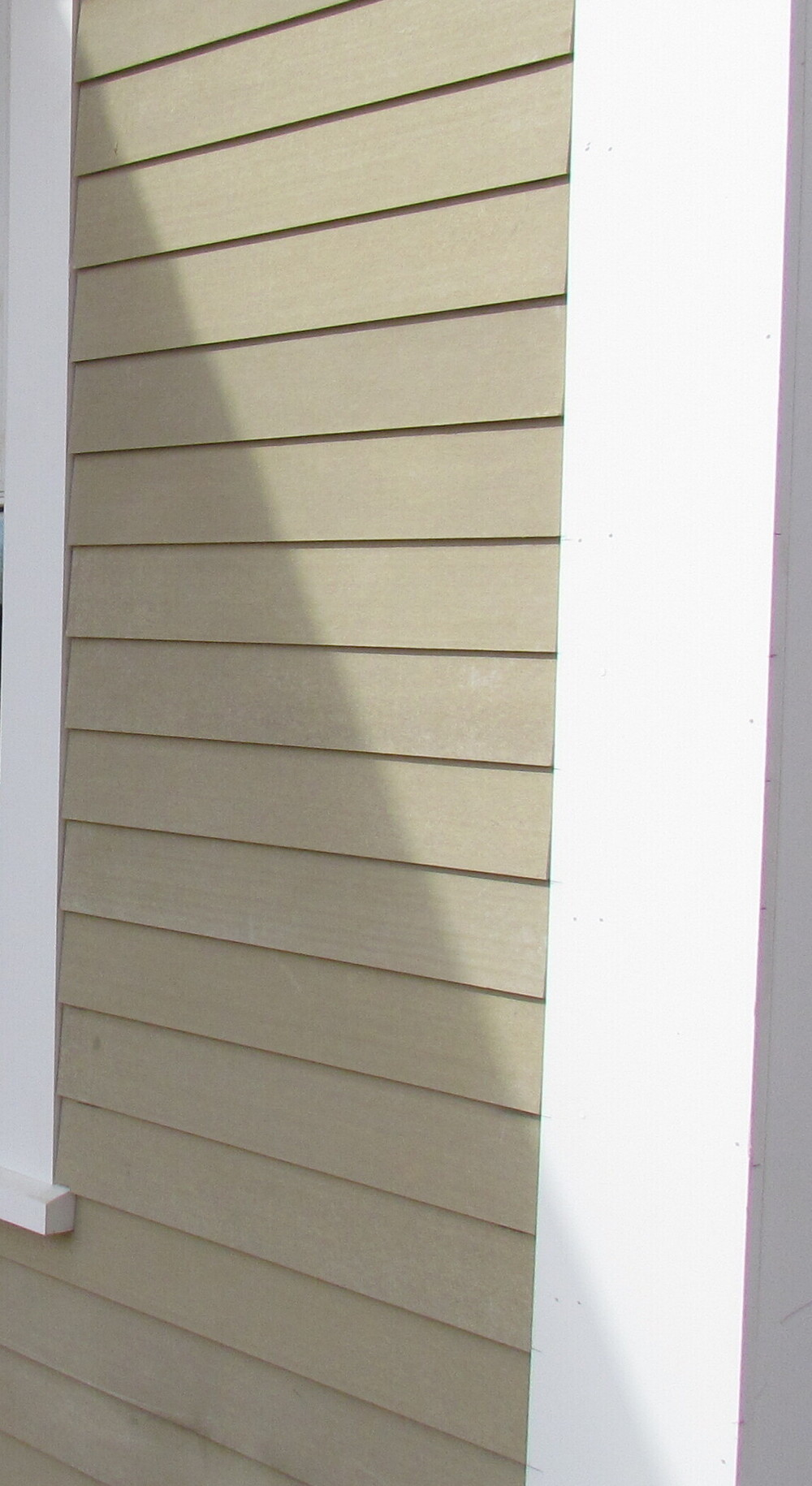
When people say “fiber cement,” they usually mean James Hardie, since Hardie built the category and still dominates it. Hardie products sit toward the middle-to-upper end of the fiber cement price range, and they carry real backing: James Hardie’s fiber cement products come with a transferable 30-year, non-prorated limited warranty on the substrate, plus a separate 15-year warranty on the ColorPlus factory finish covering peeling, cracking, and chipping (source: James Hardie, “Lifetime Value Siding Products”). Vinyl warranties exist too, but they’re rarely that long or that specific, and finish issues like fading aren’t usually covered the same way.
Long-Term Maintenance Cost
The sticker price is only half the story. Vinyl doesn’t need painting, ever, which is the single biggest argument in its favor. Fiber cement without a factory finish needs repainting roughly every 10 to 15 years, and that’s not a small job on a full exterior. Factor a repaint or two into the true 30-year cost of fiber cement and the gap between it and vinyl narrows considerably, sometimes almost closes. Skip the factory finish to save money upfront and the paint bill just shows up later, on someone else’s timeline instead of yours.
Durability and Lifespan
What actually shortens a siding job’s life isn’t usually the material spec sheet, it’s the climate doing the same thing to it, winter after winter. Homes in a Delaware Valley winter go through repeated freeze-thaw swings, and that cycle (ice, thaw, ice again) is harder on a house than a single brutal cold snap would be. A well-installed fiber cement exterior can run 30 to 50 years through that kind of weather. Vinyl’s range is wider and more product-dependent, typically 20 to 40 years, but cheaper vinyl grades can start looking rough well before that ceiling, especially with direct afternoon sun. Fiber cement is also non-combustible, which matters more in wildfire-prone regions, and it shrugs off hail and impact damage that would crack or puncture a vinyl panel. Vinyl’s weak spot is heat and cold extremes: it can warp in intense sun and turn brittle in hard freezes, where fiber cement barely notices either.
Maintenance Requirements
Picture the actual chore list for each, past what the marketing copy shows you. With vinyl: hose it down once or twice a year, maybe scrub mildew out of a shaded corner, done. With fiber cement: same wash, plus an eye on the caulk joints where boards meet trim, plus a repaint cycle waiting on the calendar if it isn’t factory-finished. Put that repaint off and unfinished fiber cement goes chalky and uneven in color by around year twelve, a failure mode vinyl simply doesn’t have. Neither material asks for the constant attention wood siding does, so if wood is the other option on your list, both of these will feel like a break by comparison.
Appearance and Curb Appeal
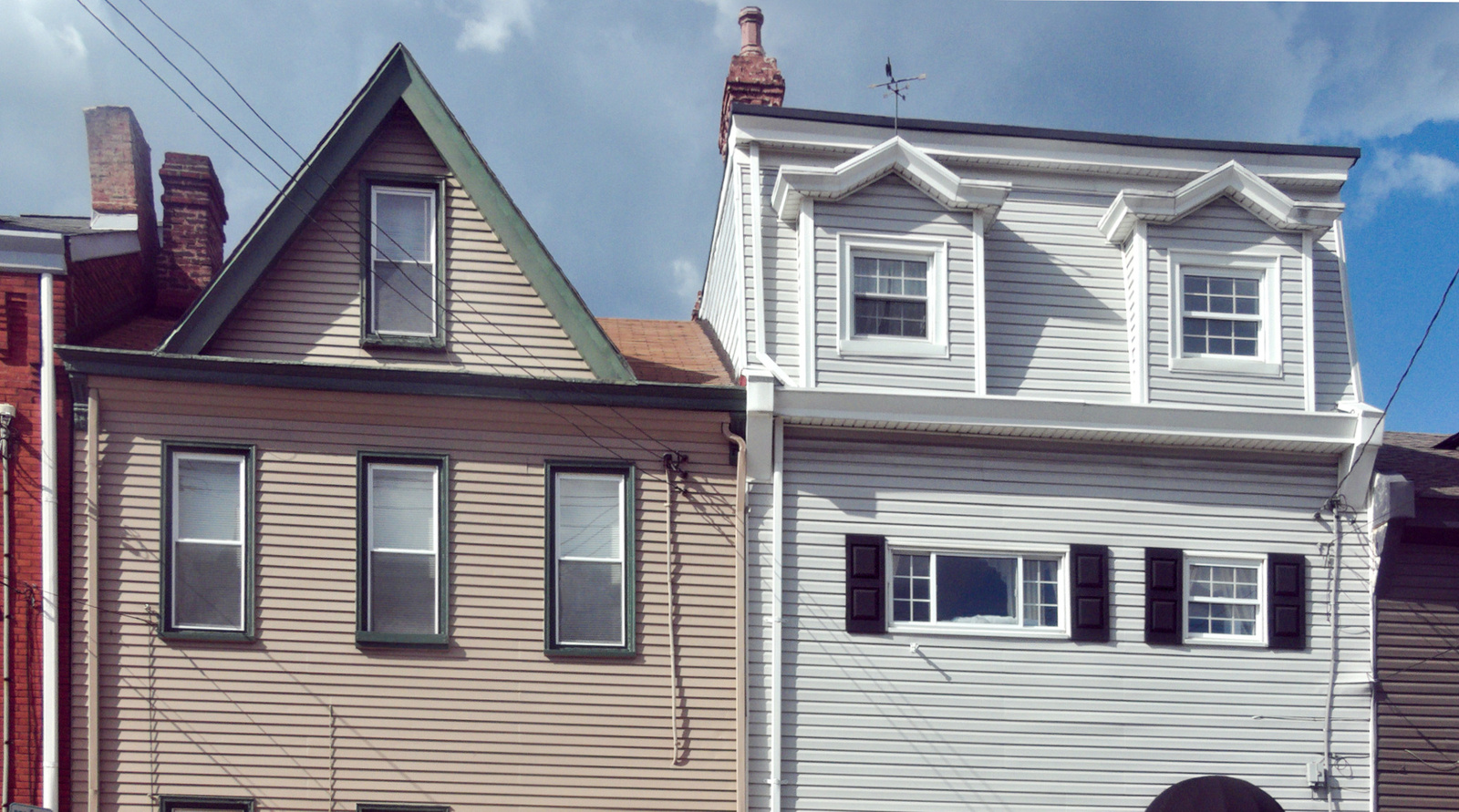
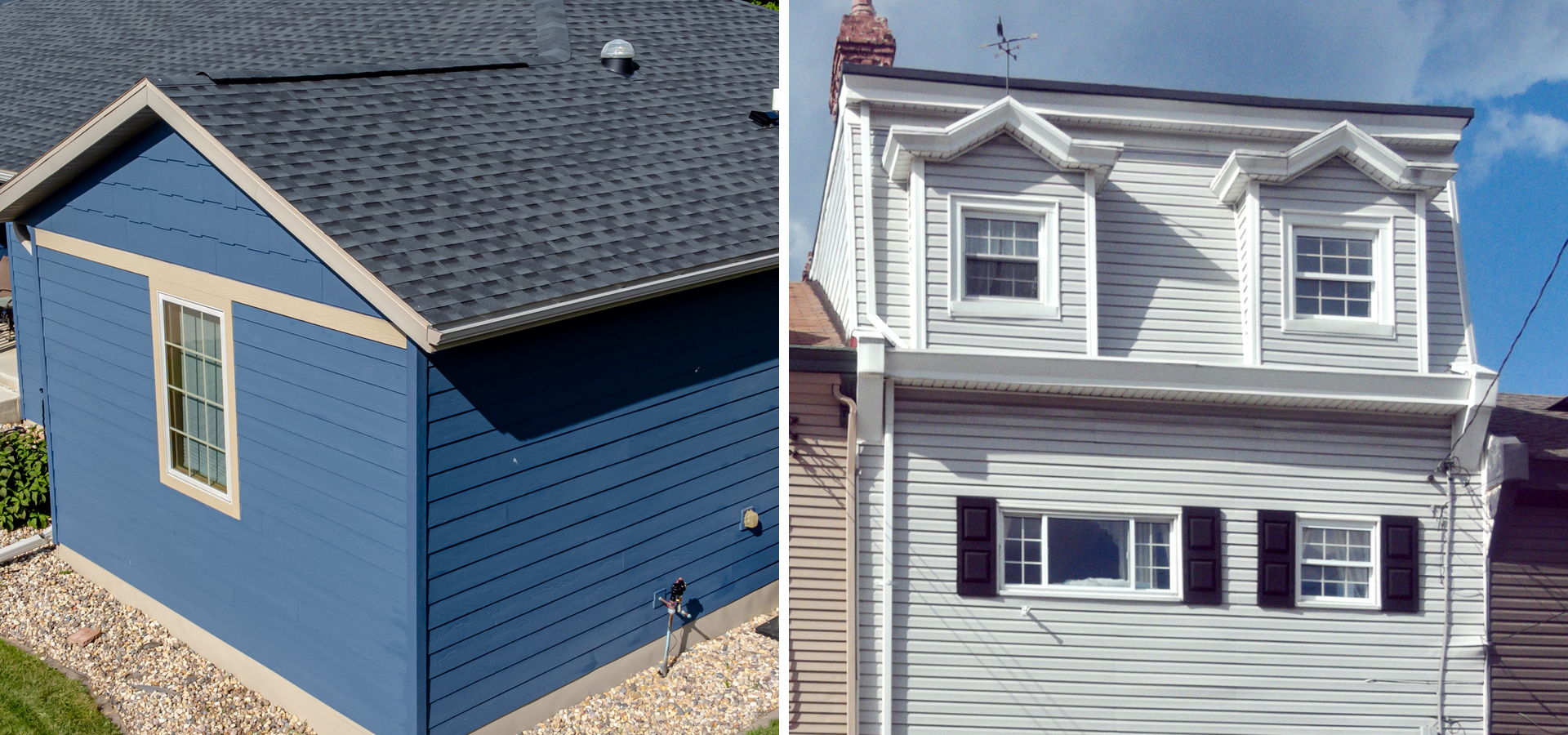
Modern fiber cement, done well, is genuinely hard to tell from real wood at ten feet away. It comes in lap, shingle, and vertical board-and-batten profiles, and the factory finishes hold color far better than paint on wood ever did. Vinyl has improved a lot from the shiny, obviously-plastic panels of the 90s, but it still reads as vinyl up close: the panel lines are visible, and dark colors can look slightly flat or fade unevenly in strong sun over a decade or so. On a smaller ranch or a straightforward colonial, vinyl looks perfectly fine. On a home with more architectural detail, or if you’re trying to match a historic street, fiber cement is going to sell the look better.
Downsides of Fiber Cement Siding
Homeowners tend to hit the same handful of complaints with fiber cement. It’s heavy, heavy enough that an inexperienced crew will underbid the labor and then struggle on the actual install day. Cutting it kicks up silica dust, a genuine respiratory hazard rather than a minor inconvenience, so proper saws with dust extraction aren’t optional on a job site. And it simply costs more than vinyl going in, before you’ve factored in anything about the finish or the repaint schedule at all.
Does Siding Type Affect Home Insurance?
Sometimes, yes. Because fiber cement is non-combustible, some insurers offer a modest discount or more favorable rating in wildfire zones or areas with strict fire codes, and some coastal insurers look more favorably on it for impact resistance in storm-prone regions. A wildfire-zone credit like that might shave a few percent off a premium, which on most homeowner policies works out to real but not dramatic money, nowhere near enough to offset a multi-thousand-dollar gap in install cost on its own. If insurance cost is a real factor for your property, ask your carrier directly, since underwriting rules vary by state and even by zip code.
Which Should You Choose?
Ask yourself one question first: how many more winters are you planning to own this house? Ten or more, and fiber cement is the better spend, honestly. Longer lifespan, better fire and impact resistance, a finish that ages better, and the higher purchase price gets spread over enough years that it stops feeling expensive. Selling in the next five years, or working on a rental where the next owner picks up the maintenance? Vinyl is the more rational call there. Cheaper, faster to install, and nobody’s inheriting a repaint bill from a decision you made.
There’s a resale number worth knowing too, separate from the “which is better” debate: the fiber cement replacement projects tracked in the 2025 Remodeling Cost vs Value Report recouped 113.7% of their cost nationally, on an average job cost of $21,485 (source: Remodeling Cost vs Value Report 2025, via remodeling.hw.net). That’s an unusually strong return for an exterior project, and part of why fiber cement keeps winning this comparison even among people who plan to sell within a decade rather than stay for the full 30-year run.
Not sure which fits your home? Request a quote and get a second opinion before you commit either way. We serve Delaware, southeast Pennsylvania, South Jersey, northeast Maryland, and central Virginia, so a lot of what’s above is shaped by what actually holds up in this part of the country, not a national average.
FAQ
Is fiber cement siding better than vinyl?
For durability and resale value, yes, generally. For upfront cost and ease of install, vinyl wins. “Better” depends on how long you’re keeping the house.
Is cement board siding the same as fiber cement siding?
Yes. “Cement board” and “fiber cement” refer to the same material. Cement board is just the more literal, slightly older term some homeowners and contractors still use, and it’s the same product as James Hardie’s HardiePlank and similar lines from other manufacturers.
Does vinyl siding lower a home’s resale value compared to fiber cement?
Not lower exactly, but fiber cement tends to recoup more of its cost at resale, per national remodeling data. Vinyl still adds value over old or damaged siding of any kind.
Can you install fiber cement siding yourself?
Technically, if you’re experienced. Practically, most homeowners shouldn’t. The material is heavy, the cuts generate silica dust that needs proper handling, and improper fastening voids the manufacturer warranty. Vinyl is a far more realistic DIY project, though a professional install will still look cleaner and last longer for both materials.