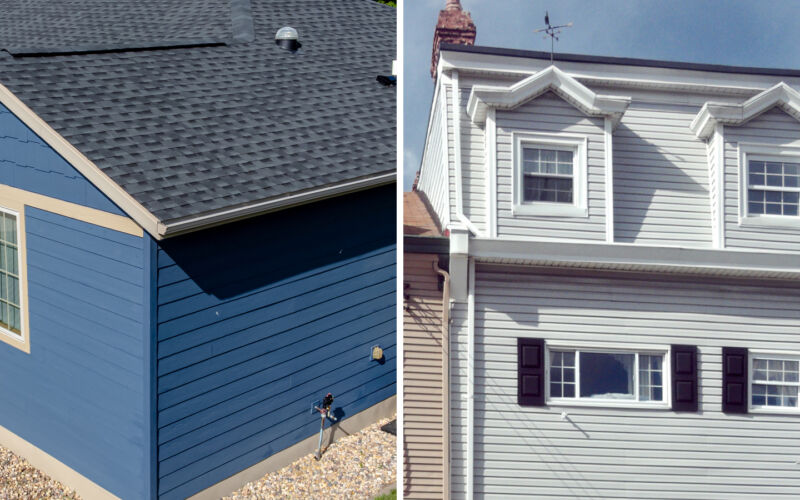
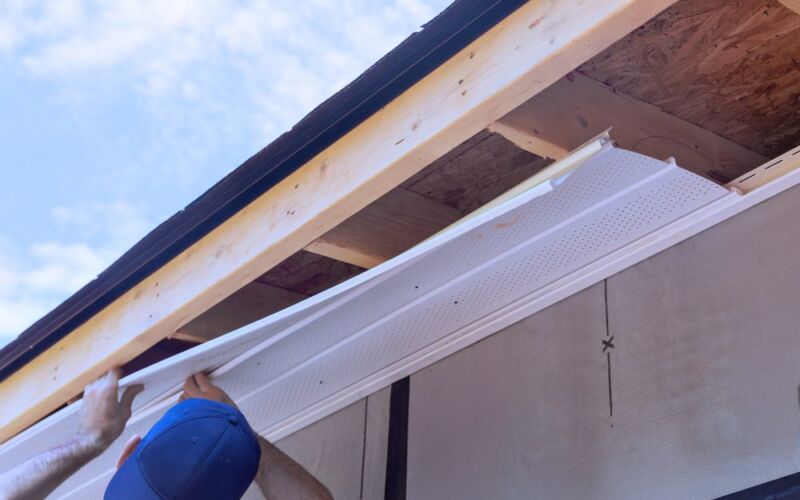
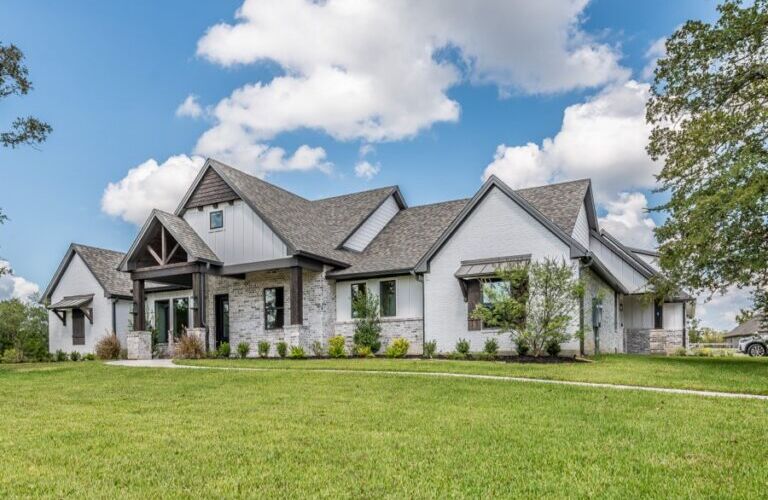
Picking siding is one of those decisions homeowners research for two weeks and then still second-guess in the driveway. Fair enough. It’s the largest visible surface on your house, it’s a 20-to-50-year decision depending on what you choose, and the seven main house siding types on the market today price and perform differently enough that “just get vinyl” isn’t always the right answer. This guide walks through each of the main siding materials, what they cost roughly to install, how long they tend to last, and where each one actually makes sense. If you already know you want a head-to-head between the two most popular siding options, vinyl and fiber cement, we’ve written a longer comparison for that. This page is meant to get you oriented across all of them first.
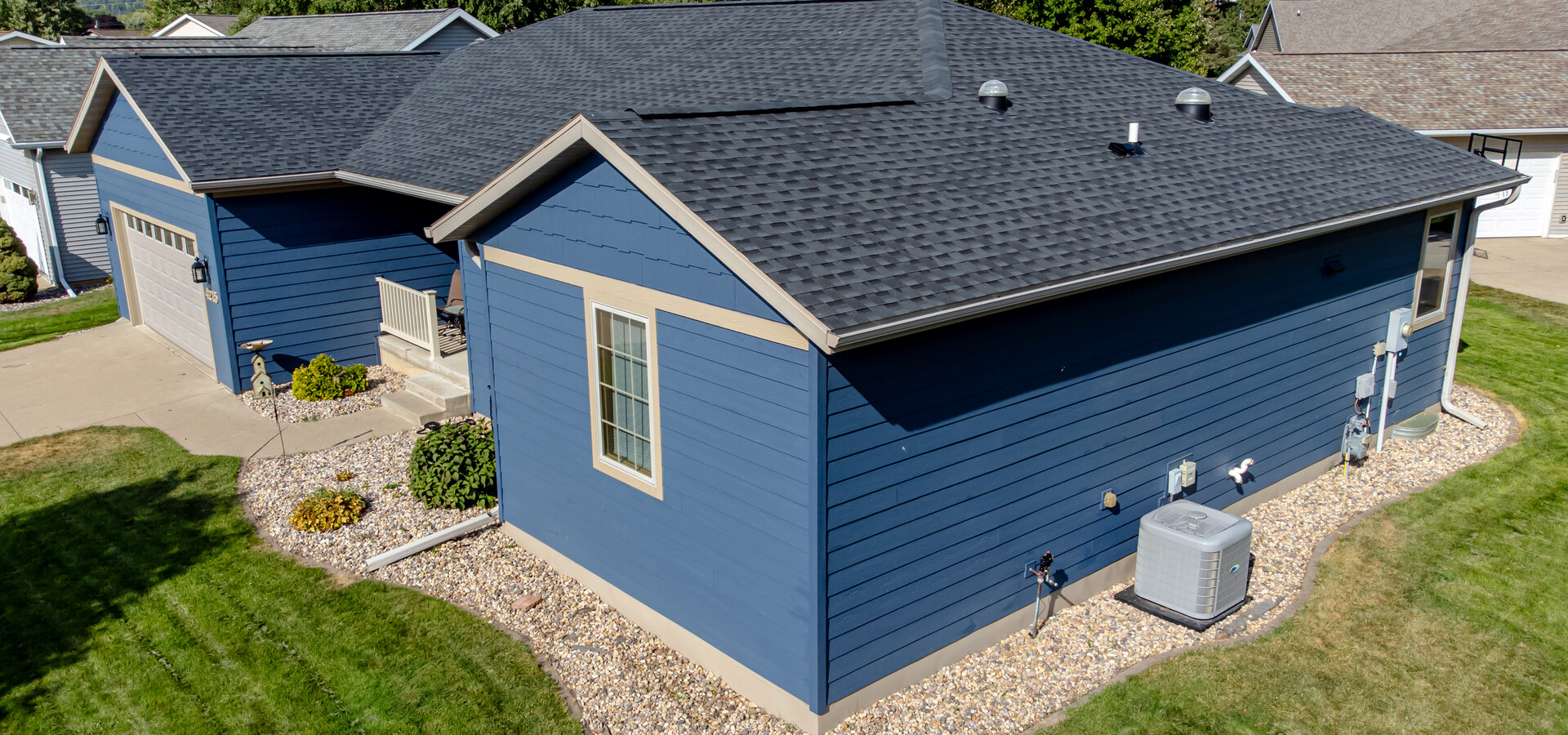
At-a-glance siding comparison
Take these numbers with a grain of salt. Installed cost per square foot swings a lot based on your region, the specific product line, house prep work, and who’s holding the estimate. Two contractors quoting the same job in the same week can land $2 apart per square foot. Use this table to rank materials against each other, not as a quote.
| Material | Avg. cost per sq. ft. (installed) | Lifespan | Best for | Maintenance |
|---|---|---|---|---|
| Vinyl | $3-$8 | 20-40 years | Budget-conscious remodels, quick turnarounds | Low |
| Fiber cement | $6-$13 | 30-50 years | Durability, fire resistance, resale value | Low-moderate |
| Wood | $5-$14 | 20-40 years with upkeep | Historic homes, natural look | High |
| Engineered wood | $4-$9 | 20-30 years | Wood look on a tighter budget | Moderate |
| Aluminum | $3-$8 | 30-40 years | Fire-prone or coastal-adjacent areas | Low |
| Stucco | $6-$9 (traditional 3-coat can run higher) | 50+ years | Dry to moderate climates, Mediterranean/Southwest styles | Moderate |
| Brick veneer | $8-$18 | 50-100 years | Long-term value, minimal upkeep | Very low |
Vinyl siding
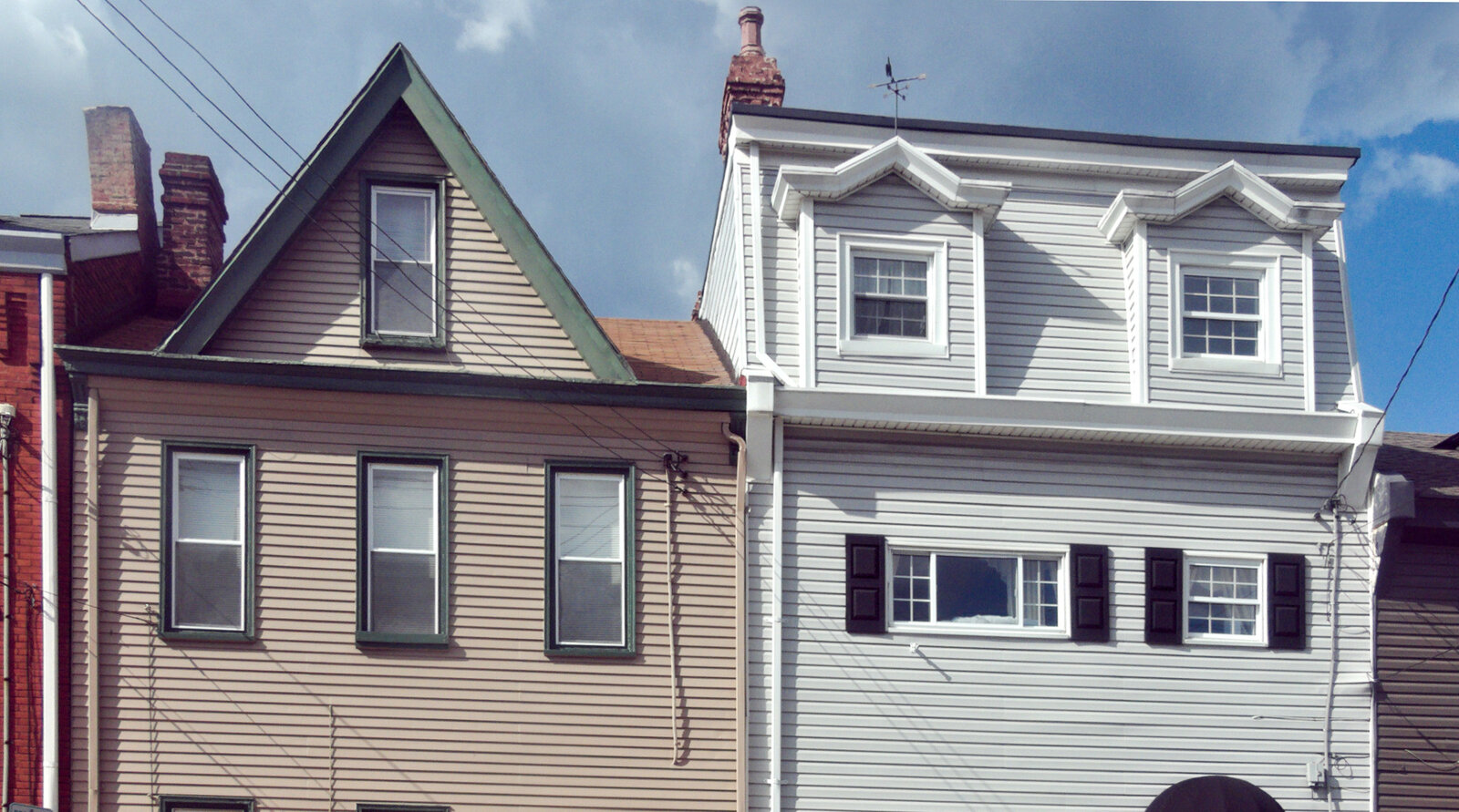
Vinyl is still the default answer when someone asks about siding options, and there’s a reason for that beyond habit. According to the National Association of Home Builders, using 2025 Census Bureau construction data, vinyl was the most-used principal exterior wall material on new single-family homes started that year, at 27.7 percent, ahead of stucco at 24.1 percent and fiber cement at 22.6 percent. Regionally it’s even more lopsided: vinyl went on 73 percent of new homes in the Mid-Atlantic and 72 percent in New England. That’s our footprint, which is worth knowing if you’re trying to match a neighborhood’s look rather than stand out from it.
Pros
It’s the cheapest option to buy and install in most markets, it never needs painting, and modern insulated vinyl closes a lot of the energy-efficiency gap that older vinyl had. Color selection has also improved a lot; you’re not stuck with the beige-and-white palette from the 90s anymore. Installation is fast too, which matters if you’re trying to get a project done before winter.
Cons
It can crack in hard freezes and it will fade over time, especially darker colors, in a way that’s basically impossible to touch up since you can’t just repaint a section. It also has a plasticky look up close that some buyers notice, particularly on older homes where it reads as a mismatch. None of that is disqualifying. It’s just worth knowing going in.
Cost
Figure roughly $3 to $8 per square foot installed, with standard vinyl toward the bottom of that and insulated vinyl toward the top. On an average 2,000-square-foot home that’s a wide range in dollar terms, which is exactly why getting a couple of actual quotes matters more than any number on this page.
Fiber cement siding
If budget weren’t a factor, this is probably what most contractors would put on their own house. Fiber cement (Hardie board is the brand name most people know) is a mix of cement, sand, and cellulose fibers pressed into planks or panels that can be finished to look like wood clapboard, shingle, or stucco. It’s noncombustible, it shrugs off hail better than vinyl, and it doesn’t rot or attract termites the way real wood can. We get asked constantly whether it’s worth the price jump over vinyl, and honestly, for most homes in our climate, yes.
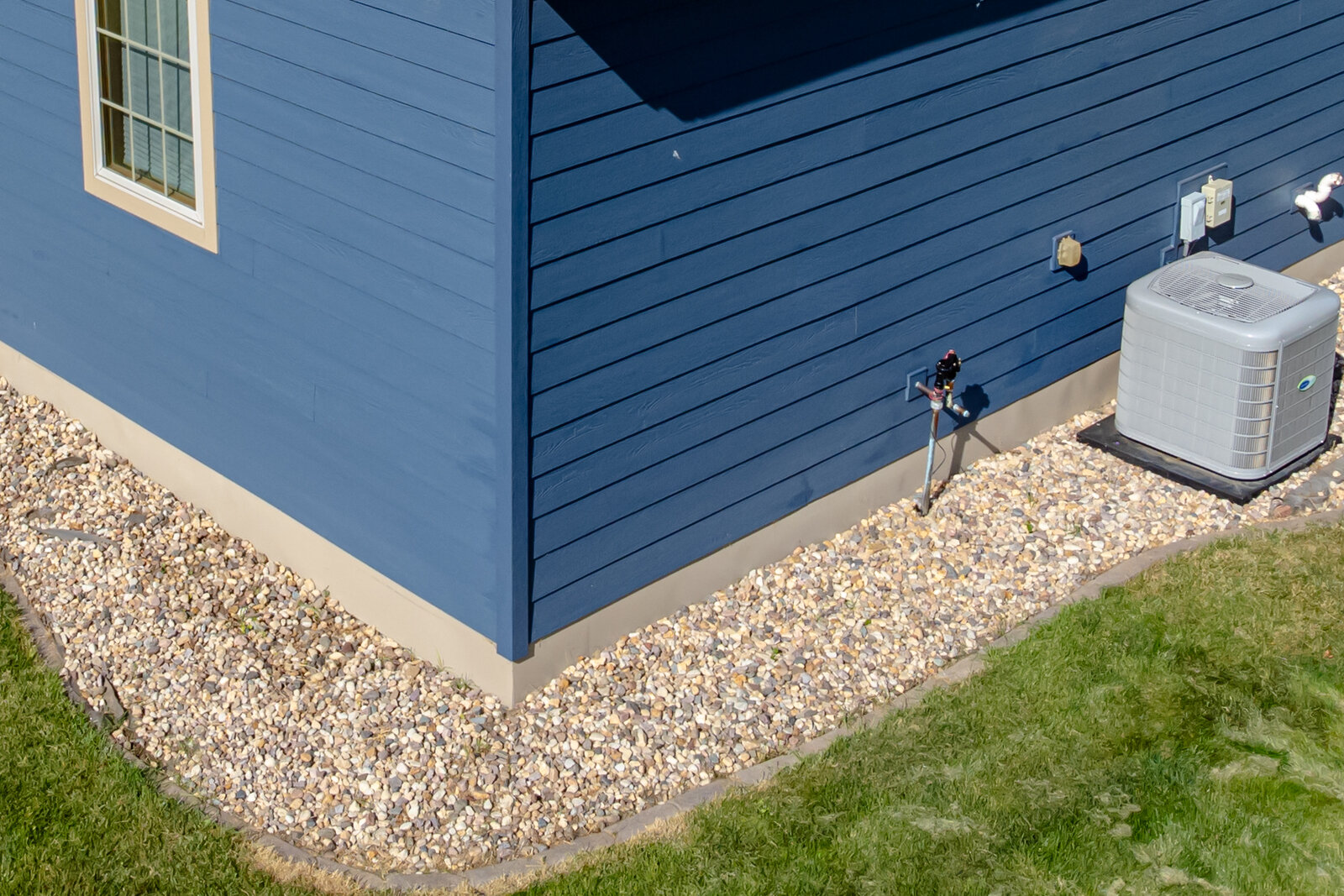
We’ve written a full head-to-head on this exact question if you’re trying to decide between the two: fiber cement vs. vinyl siding, cost, durability, and maintenance side by side.
Pros: fire-resistant, holds up to wind and impact, doesn’t rot, holds paint far longer than wood (often 15 years between repaints versus 5-7 for wood), and it tends to add more resale value than vinyl in most cost-vs-value comparisons we’ve seen, though the exact figure changes every year and we’re not going to quote you a specific ROI number we can’t stand behind.
Cons: heavier than vinyl, which means installation takes longer and costs more in labor. It also needs to be painted eventually, unlike vinyl, and cutting it during installation creates silica dust, so it’s not a great weekend DIY project the way vinyl kind of is.
Cost: $6 to $13 per square foot installed. The labor premium over vinyl is real, but so is the lifespan, 30 to 50 years against vinyl’s 20 to 40, so the per-year cost gap is smaller than the sticker price suggests.
Wood siding
Cedar, pine, and redwood clapboard or shingle siding is what most historic homes in our area were originally built with, and it’s still what a lot of homeowners want when they’re restoring one rather than modernizing it. There’s a warmth to real wood that no composite has fully replicated yet, whatever the marketing copy claims.
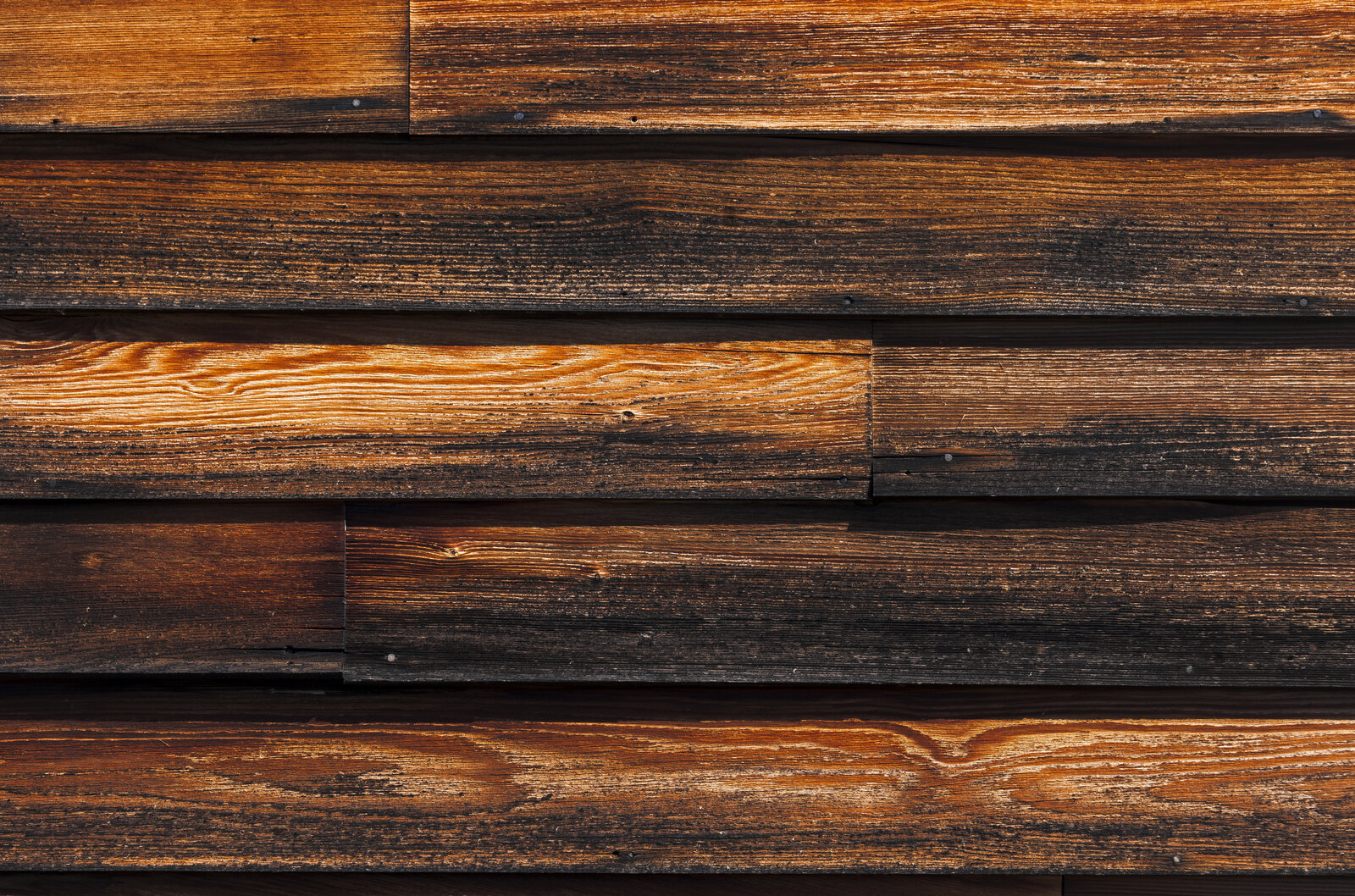
The tradeoff is upkeep, and it’s a real one, not a minor footnote. Wood needs to be repainted or restained every 3 to 7 years depending on exposure and finish, it’s vulnerable to rot, insects, and woodpeckers (yes, actually a thing, especially with cedar), and insurance in some coastal or high-wildfire-risk areas can be pricier or harder to place with wood siding on the house. If you want the wood look without the wood problems, skip ahead to engineered wood below. We’d only steer someone toward real wood if they specifically care about historic accuracy or the tactile, weathered look, because the maintenance bill over 20 years is genuinely higher than almost anything else on this list.
Cost runs $5 to $14 per square foot depending on species and grade, cedar sitting toward the top. Lifespan is 20 to 40 years, but that number assumes you’re keeping up with the finish schedule. Neglect it and you’ll be dealing with rot repairs well before then.
Engineered wood siding
Engineered wood (LP SmartSide is the name most people recognize) is wood strands or fibers bonded with resin and treated with a zinc borate coating to resist rot and insects, then finished to look like traditional wood lap or shake siding. It splits the difference between real wood and fiber cement: better rot resistance and lower maintenance than natural wood, lighter and easier to install than fiber cement, but not quite as tough or long-lived as either. Pros: strong warranty coverage (most manufacturers back it 30-50 years), good impact resistance, easier on a framing crew than fiber cement. Cons: still needs periodic repainting and the resin/wood composition means water intrusion at a cut edge or seam, if it happens, can cause swelling. Cost lands around $4 to $9 per square foot installed, and lifespan is typically 20 to 30 years.
Aluminum siding
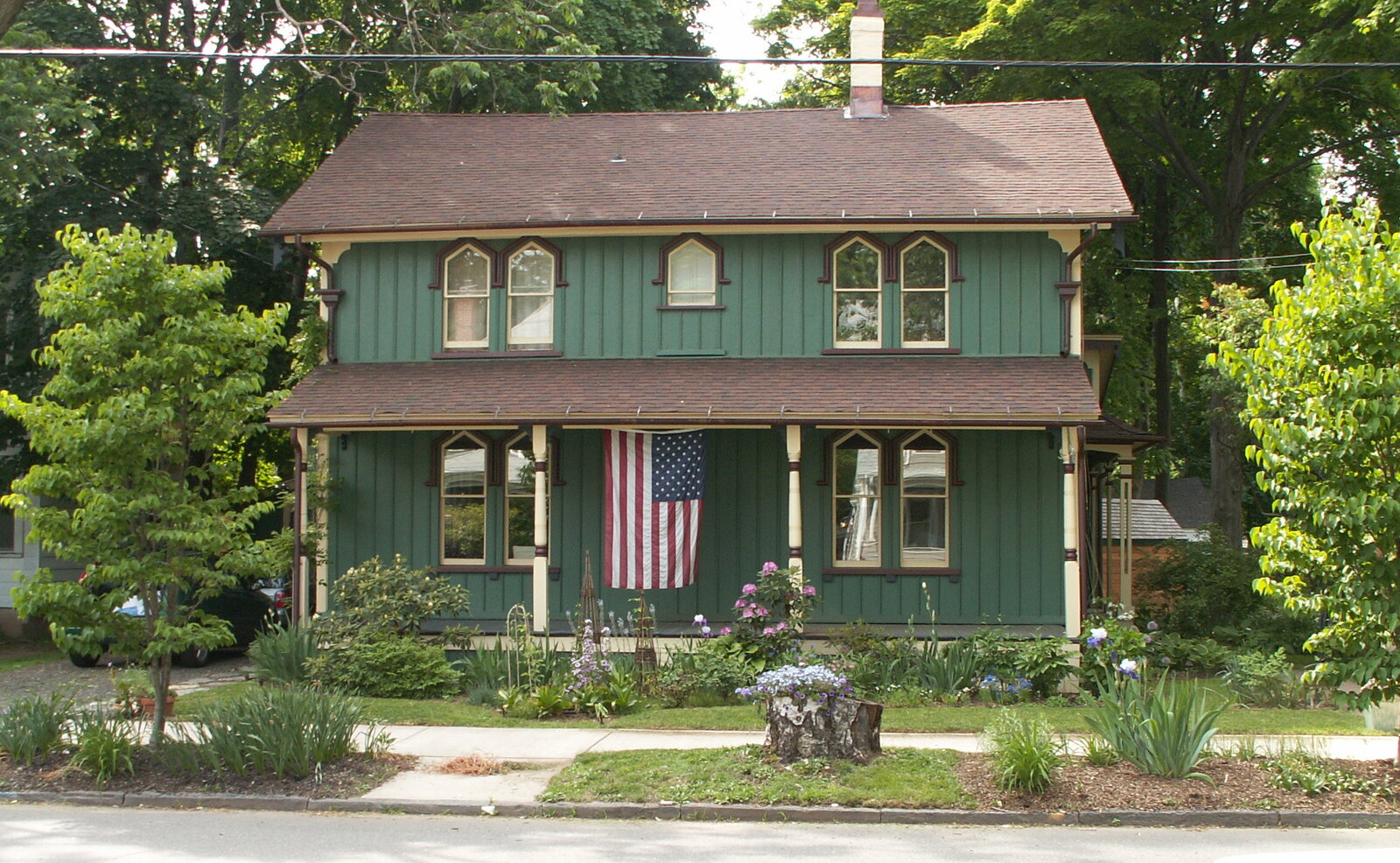
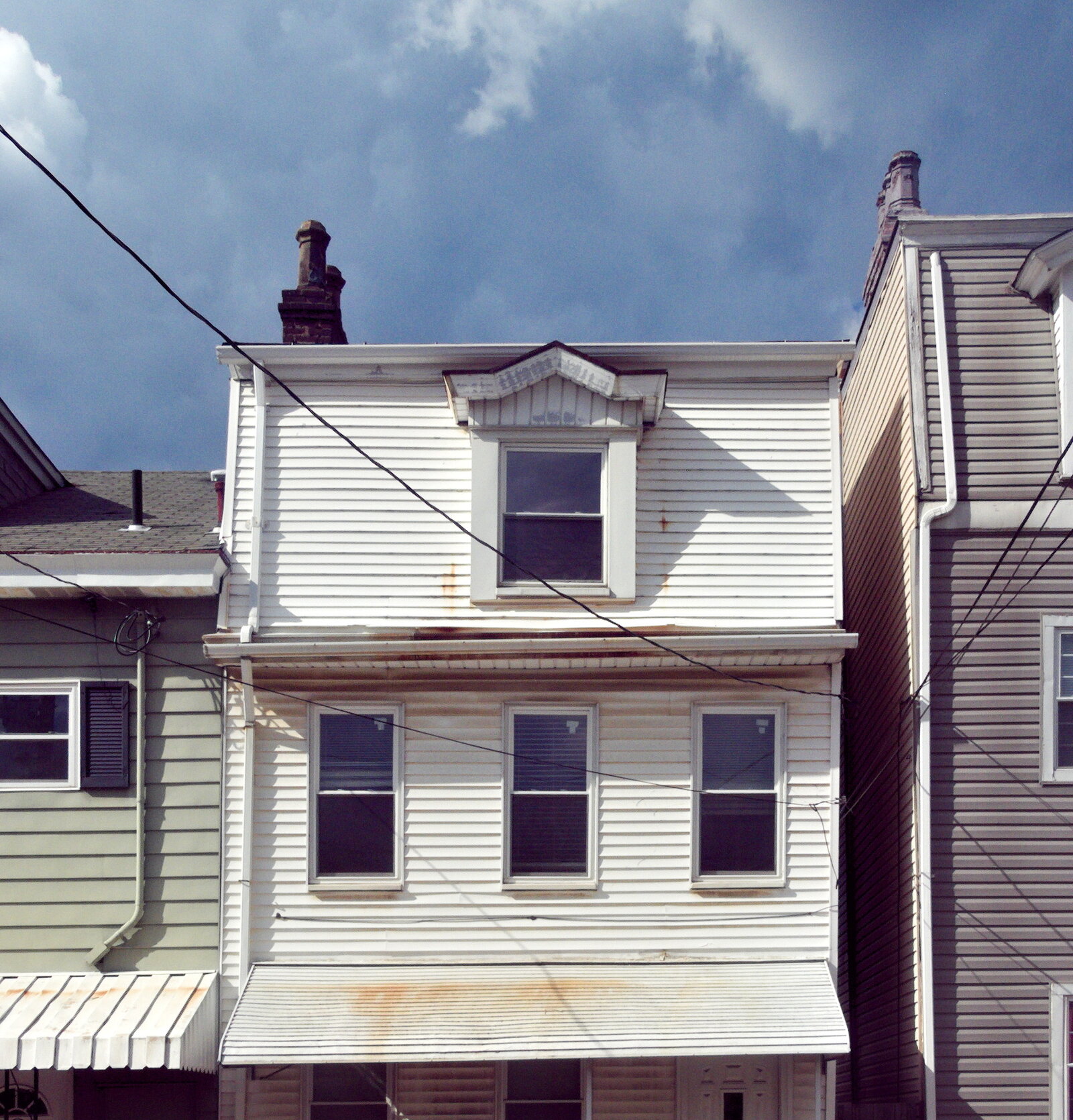
Aluminum had its moment in the 60s and 70s, got a bad reputation from door-to-door sales crews who oversold it (there’s a whole genre of vintage horror stories about aluminum siding scams, worth a search sometime if you’re bored), and mostly got replaced by vinyl once vinyl got cheaper to produce. It’s not gone, though. It doesn’t burn, it doesn’t rot, and it holds up well in wet climates since it doesn’t absorb moisture. We mostly see it specified now for fire-prone regions or on outbuildings and additions rather than full residential remodels in our market. It dents more easily than people expect, and once it’s dented it stays dented, no popping it back out. Runs $3 to $8 per square foot, lasts 30 to 40 years.
Stucco
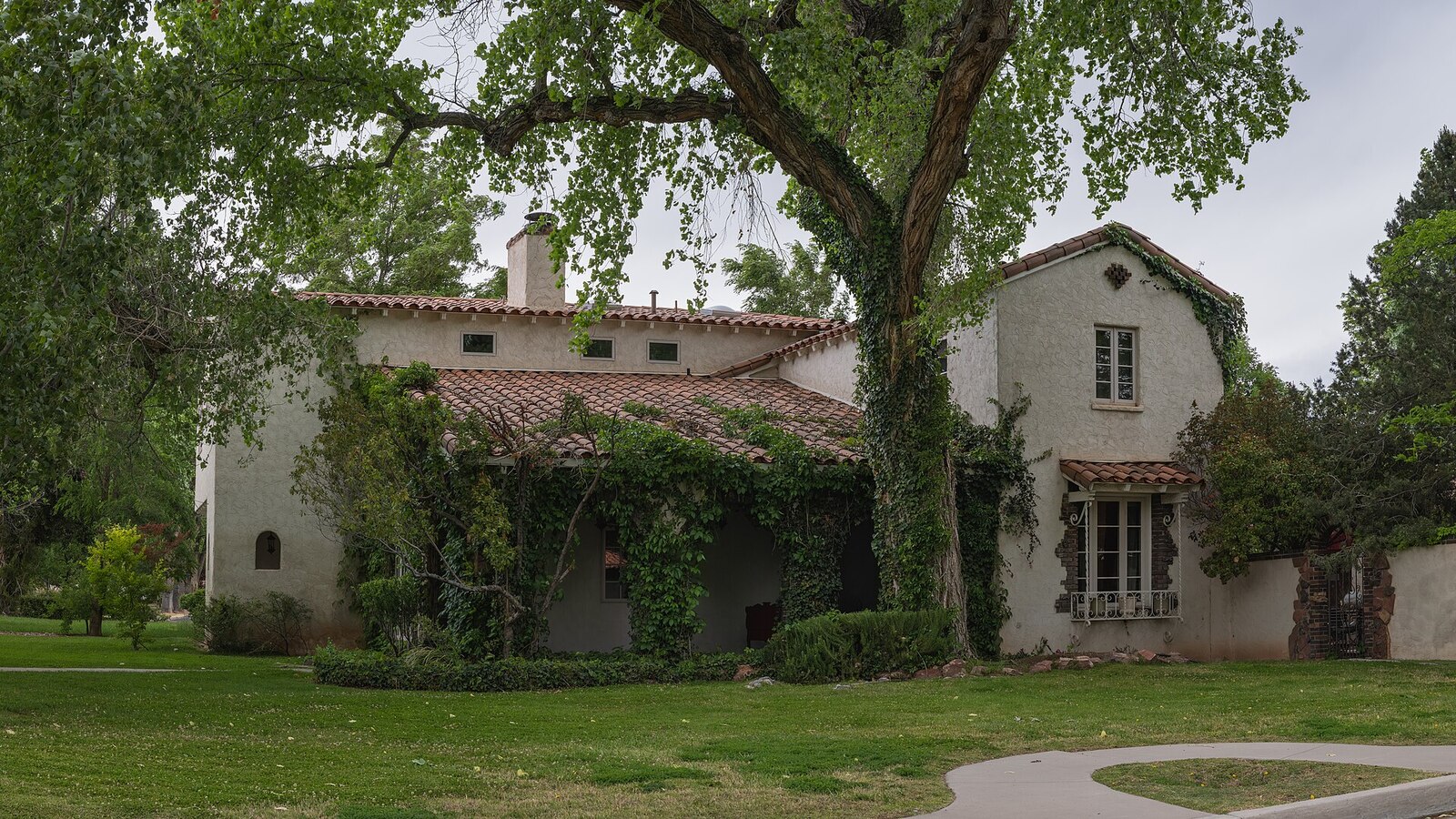
Stucco is a cement-based plaster applied in coats over a wire lath or, in newer synthetic versions, over a foam board system. It reads as Southwest or Mediterranean architecturally, though plenty of Mid-Atlantic homes carry it too, especially anything built in a stucco-heavy design wave from the 90s and 2000s.
Pros
Excellent fire resistance, good insulation value, and a lifespan that can genuinely stretch past 50 years in the right climate with minimal upkeep beyond the occasional recoat.
Cons
This is the one where we’ll actually talk a homeowner out of a material. Traditional stucco does not do well with the freeze-thaw cycles and humidity swings common across our service area, and we’ve seen cracking and moisture problems in stucco homes here that you just don’t see as often in drier, more stable climates out West where stucco really shines. If you’re set on the look, at least ask your contractor about proper drainage planes and moisture barriers behind it, and budget for occasional crack repair.
Cost
Traditional three-coat stucco runs $6 to $9 per square foot and up depending on the substrate and detailing; synthetic stucco (EIFS) systems can price differently and carry their own moisture-management debate that’s really a separate article.
Brick veneer
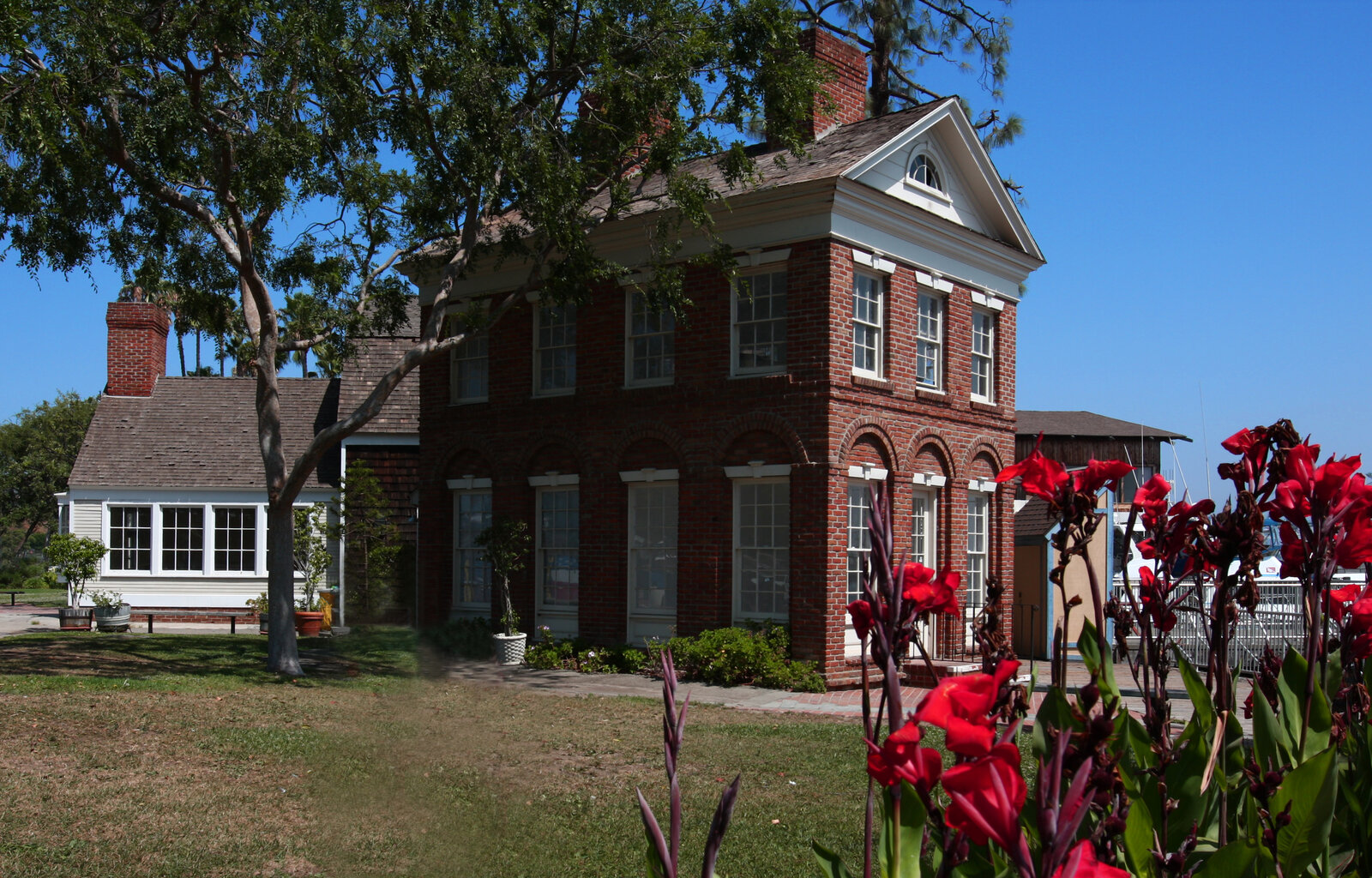
Brick veneer is a single layer of brick applied over a home’s structural frame, not a full load-bearing brick wall, which is what most people picture when they hear “brick house.” It’s the highest upfront cost on this list, $8 to $18 per square foot installed, and also the longest-lived, often 50 to 100 years with essentially no maintenance beyond occasional mortar repointing decades down the line. If your budget can absorb it and you’re planning to stay in the house a long time, it’s hard to argue against on a cost-per-year basis. If you’re renovating to sell in the next few years, it’s a much harder number to justify.
How to choose the right siding for your home
Start with climate, not looks. That’s the single biggest factor that separates the house siding types that hold up here from the ones that fight the region every year. In the Mid-Atlantic that means freeze-thaw cycling, humidity, and, closer to the coast, salt air and wind-driven rain. Vinyl, fiber cement, and engineered wood all handle that combination well. Traditional stucco, as covered above, is the one we’d ask you to think twice about unless it’s already on the house and you’re just replacing sections.
After climate, it comes down to how long you’re staying and how much upkeep you actually want to do. If you’re in the house for the long haul and want to basically forget about the exterior, fiber cement or brick veneer are the two we’d point you toward. If you’re renovating something you plan to sell in a few years, vinyl or engineered wood usually make more financial sense since you’re not around to collect the long-term payoff of the pricier materials. Wood is really its own category: choose it because you want wood, not because you ran the numbers and it came out ahead, because on a pure cost basis it usually won’t.
Whatever you land on, get it from a crew that installs it correctly. Cheap and correct aren’t always the same crew. Tell us about your house and climate exposure and we’ll tell you which of these siding materials actually makes sense for it: request a quote and we’ll take it from there.
FAQ
What is the least expensive exterior siding?
Vinyl, in most markets, with aluminum running close behind in some.
What is better than vinyl siding?
Depends what you’re optimizing for, but if I had to pick one upgrade for most homeowners in our area, it’s fiber cement. It costs more upfront and the installation is more involved, but it’s more fire-resistant, more dent- and hail-resistant, and it doesn’t get that faded, slightly warped look that older vinyl develops after 15 or so summers in direct sun. Brick veneer beats it on pure longevity, but it costs a lot more to get there.
What is the best siding material for a house?
There isn’t a single best answer here, and we’d be lying if we told you there was. It depends on your climate, your budget, how long you’re keeping the house, and honestly some amount of personal taste that no cost table can settle for you. For most homes in our service area we lean toward fiber cement or vinyl, but “best” really is house-specific.