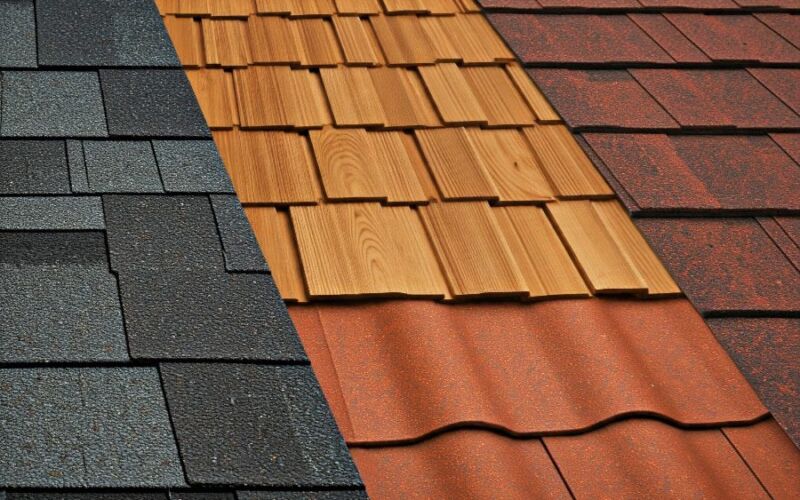
If your attic turns into an oven every July and your cooling bill follows it up there, the roof is usually part of the problem. Dark asphalt shingles can hit surface temperatures well above the air around them, and a lot of that heat works its way into the living space below. Energy-efficient roofing options exist specifically to interrupt that: cool-roof shingles, metal, tile, and reflective coatings all reduce how much heat your roof absorbs and passes inside, just by different mechanisms and at different price points.
Most homeowners land on an energy-efficient roof because they were already due for a new one, and the efficiency question rides along with that decision. So that’s how we’ll walk through it: what the options are, roughly what they cost relative to each other, and what kind of savings are realistic.
Energy-Efficient Roofing Options at a Glance
Four material categories cover almost everything homeowners consider when the goal is cutting cooling costs. Performance and price both vary a lot across them, which is why this is a real decision instead of a one-line answer like “pick the reflective one.” The table below is a starting point, not a quote. Reflectivity numbers especially move around by product line and color, so treat these as ranges you’d confirm with a spec sheet, not settled facts.
| Material | Reflectivity / SRI | Relative Cost | Cooling-Bill Impact | Lifespan |
|---|---|---|---|---|
| Cool-roof asphalt shingles | Moderate (algae-resistant, reflective granules) | $–$$ | Modest, noticeable in peak summer | 20–30 years |
| Metal roofing (reflective finish) | High | $$$ | Meaningful, especially with an air gap under the panels | 40–70 years |
| Tile (clay or concrete) | High, plus natural airflow under the tiles | $$$ | Meaningful, strongest in hot/dry climates | 50+ years |
| Reflective coatings | Very high when fresh | $ | Meaningful short-term, fades as coating weathers | Reapply every 5–10 years |
If you’re just here for the short version: reflective coatings win on upfront cost, metal and tile win on how long the efficiency benefit actually lasts, and cool-roof asphalt is the middle-ground pick for anyone who wants a shingle roof and doesn’t want to think about it again for two decades. Keep reading for why.
Energy-Efficient Roofing Materials Compared
Cool Roof Shingles
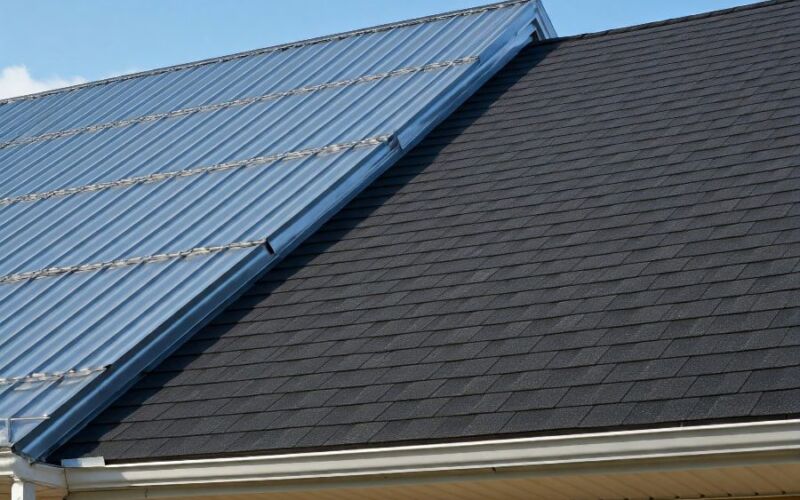
Cool roof shingles are standard-looking asphalt shingles manufactured with reflective granules that bounce more solar radiation than a conventional dark shingle. They fall short of metal or tile on raw reflectivity numbers, but the fit is what sells them: the shingle look most homeowners already want, dropped into a normal replacement at a normal shingle price.
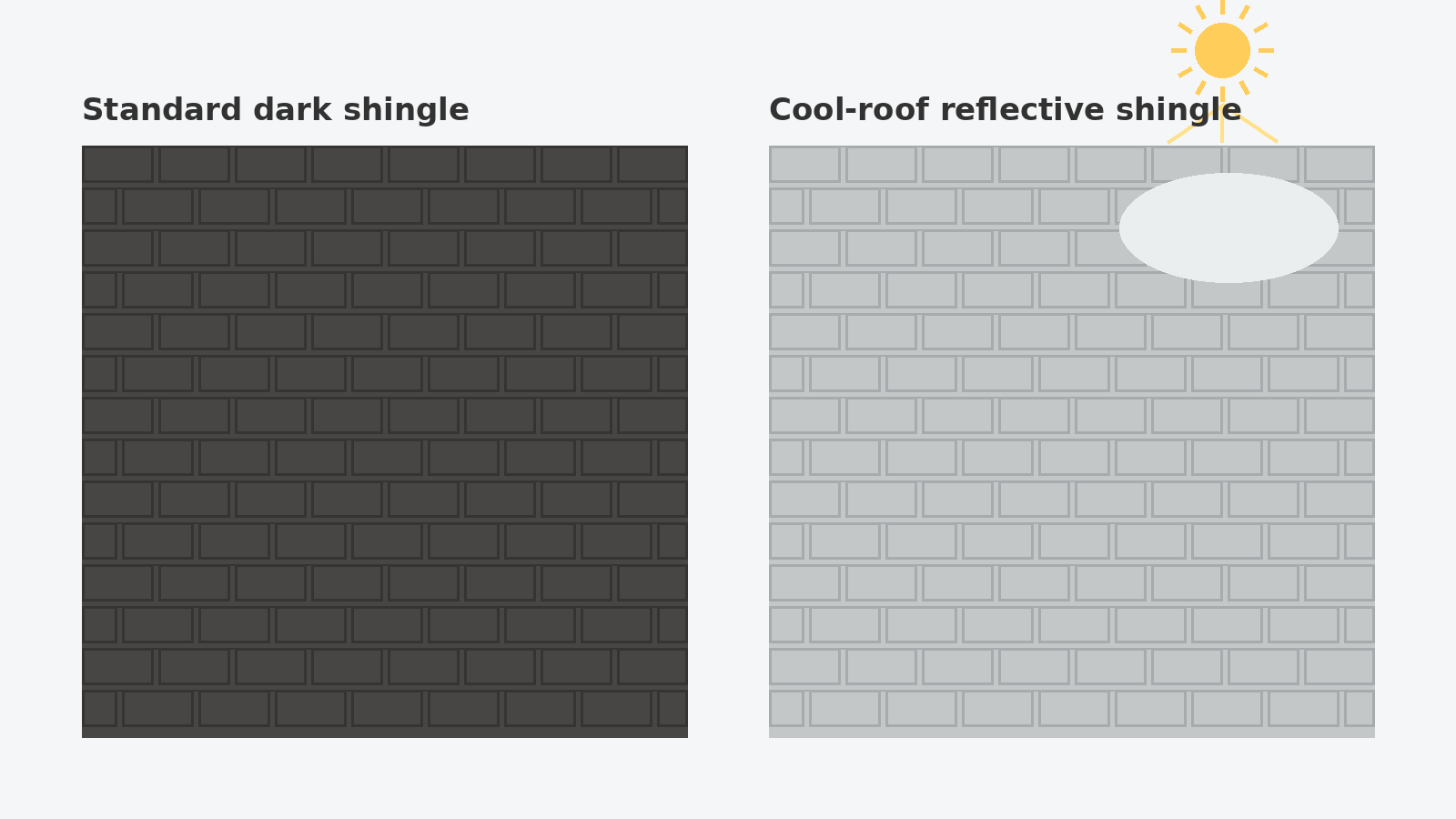
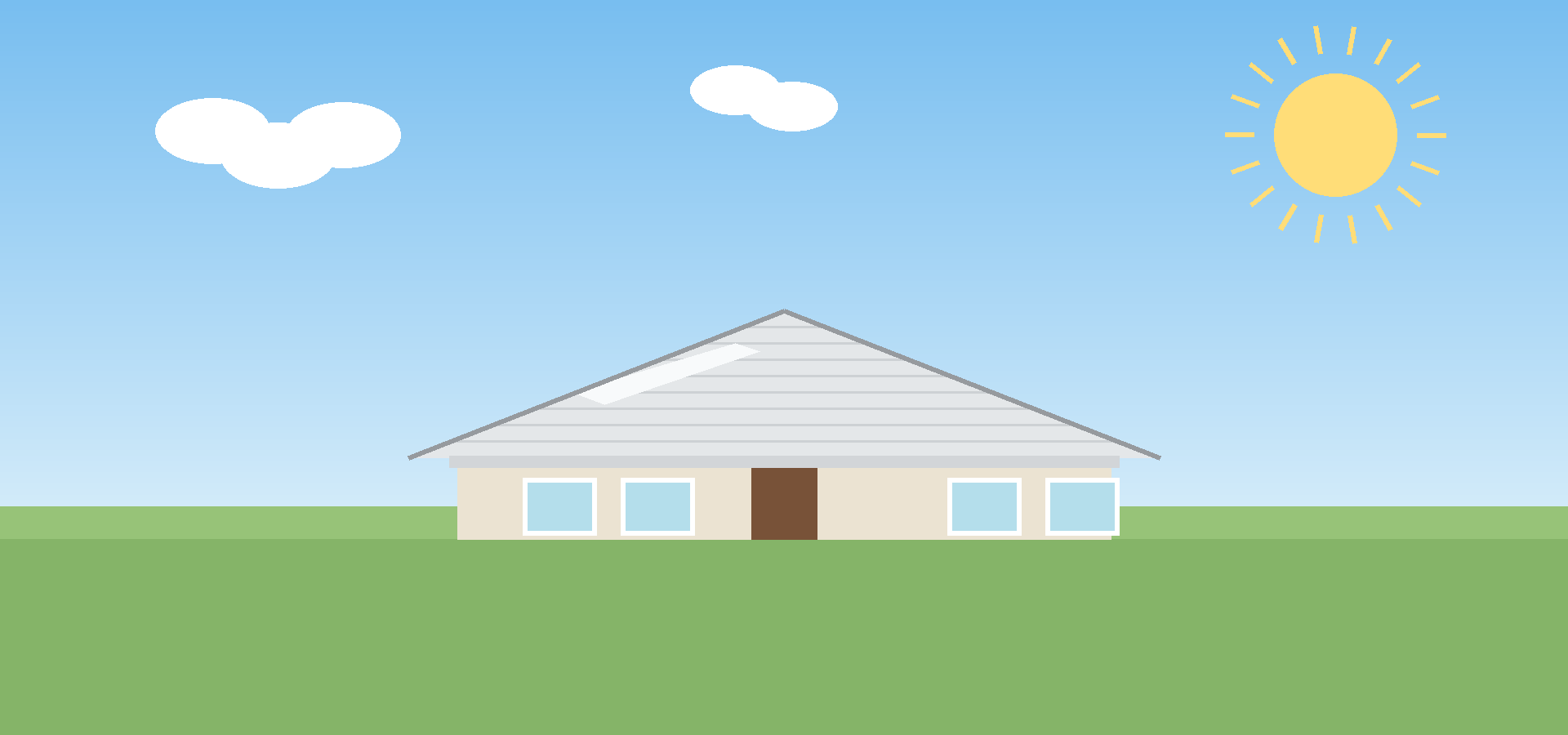
According to Lawrence Berkeley National Laboratory’s Heat Island Group data, as cited by ENERGY STAR, a clean white roof reflecting about 80% of sunlight can stay roughly 50°F cooler than a grey roof reflecting only 20%. Cool-roof asphalt shingles fall well short of that white-roof extreme, since most aren’t white, yet the mechanism works the same way: more reflected sunlight, less absorbed heat, less of that heat working through the decking into your attic.
Metal Roofing
Metal is the material we’d point most homeowners toward if energy efficiency is genuinely the deciding factor and budget allows it. Reflective finishes plus, often, an air gap between the panel and the deck give metal roofs real thermal separation from the living space, beyond what a reflective surface alone provides. Todd Miller, a roofing industry expert quoted by EcoWatch, notes that homeowners “frequently report energy savings of 25% to 35%” with metal roofs. That’s a wide range, and where you land in it depends on your attic insulation, your climate, and your existing roof, but it’s the most concrete efficiency figure in this whole category.
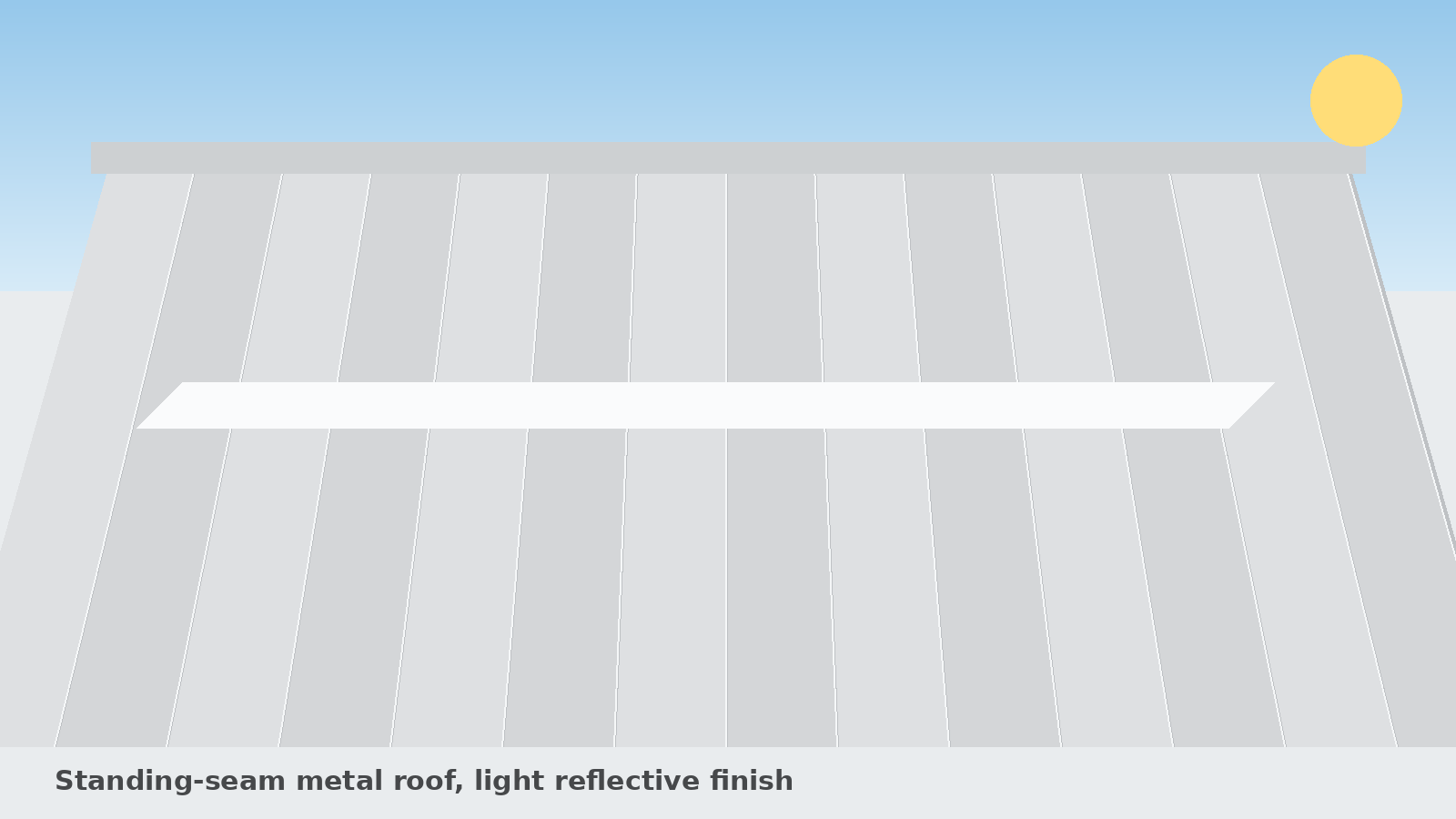
Metal costs more upfront and doesn’t suit every colonial or ranch aesthetically, but it lasts forty-plus years, so the efficiency payoff keeps compounding long after a shingle roof would already be due for replacement again.
Tile Roofing
Clay and concrete tile do something the other materials don’t: they create a physical air channel between the tile and the roof deck, so heat gets a chance to vent out before it ever reaches your attic. That’s why tile performs so well in hot, dry climates. It’s less common around here, and the structural loading requirements mean not every roof frame can take it without reinforcement. Most of the homes we work on skip it, though it’s exactly the right call on the right house.
Reflective Coatings
A reflective coating is the cheapest way into this category, and it’s usually applied over an existing roof (often flat or low-slope) rather than as part of a full replacement. It works well when it’s fresh, then fades as it weathers, so budget for reapplication every five to ten years if you go this route. Think of it as a stopgap: cheap, effective while it’s fresh, and due for another coat inside a decade.
How Much Does an Energy-Saving Roof Actually Save?
Honest answer: it depends more on your attic than most homeowners expect. A reflective roof over poor attic insulation still leaks a lot of heat, just less than it would with a dark roof. If you haven’t looked at your attic insulation in a while, check that first, since insulation and roof surface work together to hold heat out.
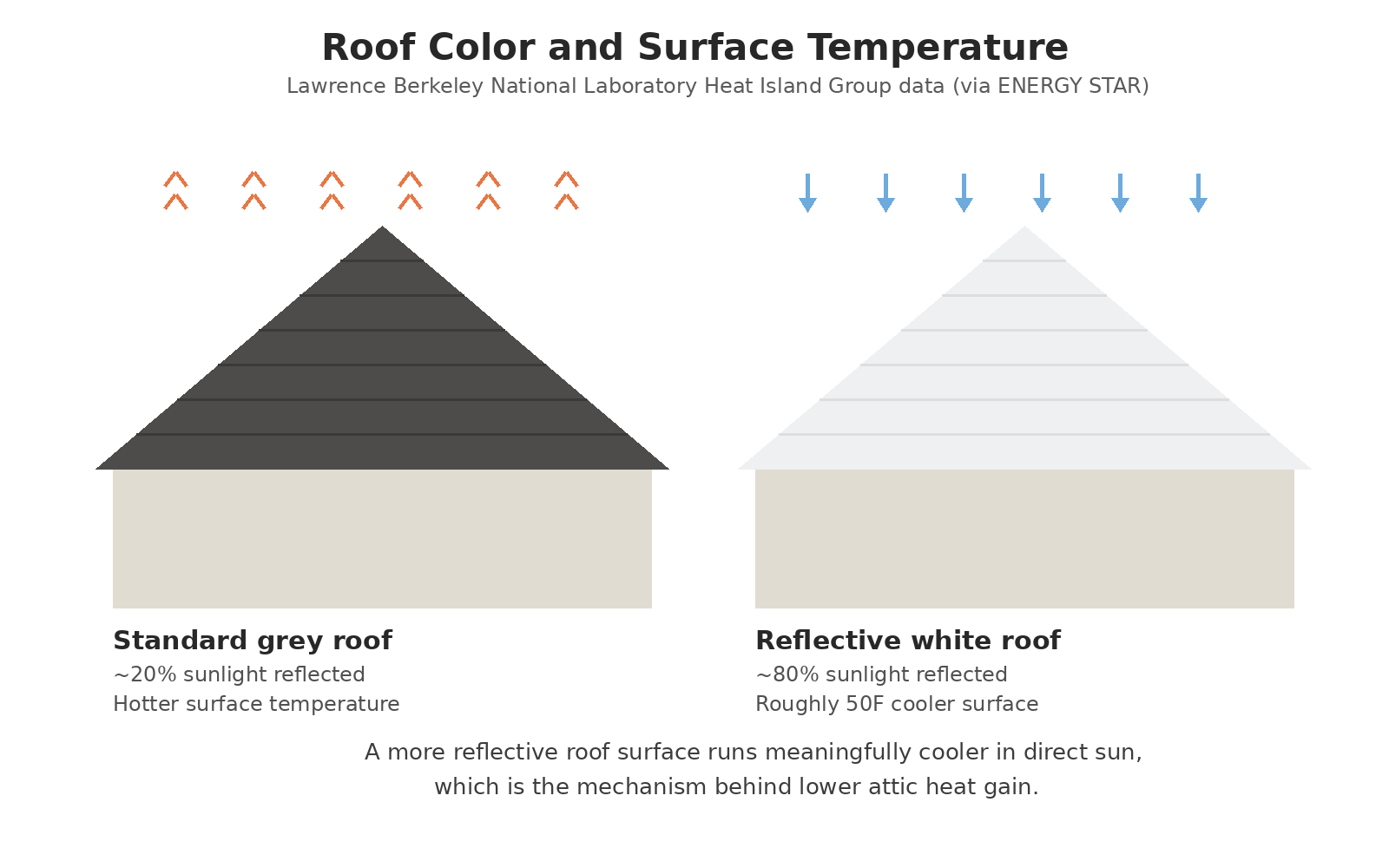
That LBNL surface-temperature gap, roughly 50°F between a reflective white roof and a standard grey one, translates into real attic temperature reduction, which is where the actual utility bill impact comes from. Metal roofs, per the Todd Miller figure above, land homeowners in the 25% to 35% range on energy savings in a lot of reported cases. Cool-roof asphalt and reflective coatings tend to land lower than that, since they’re working with a smaller reflectivity gap, but even a modest reduction in attic heat gain shows up on a July bill.
Payback period is the harder number to pin down, and we’d rather say that plainly than make one up. It depends on your local electricity rates, how much of the year you’re actually running AC hard, your existing insulation, and how much of a premium you’re paying for the efficient material over a standard one. A cool-roof shingle upgrade, which costs close to nothing extra over a standard shingle roof, pays for itself essentially immediately since there’s barely a premium to recover. Metal and tile, with a real cost premium, take longer, likely years rather than months, but they’re also roofs you won’t replace again for decades, so the efficiency savings keep compounding well after a standard asphalt roof would have needed redoing anyway.
Choosing and Installing an Energy-Efficient Roof
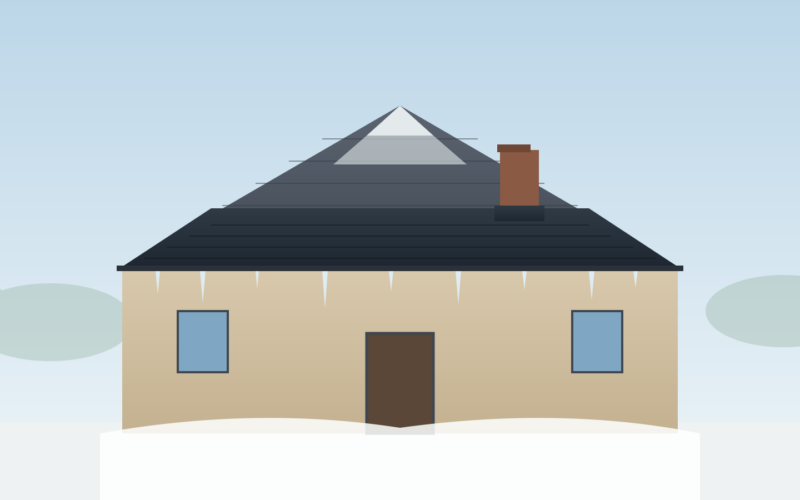
Start with what you’re actually trying to fix. If summer cooling costs are the pain point, prioritize reflectivity and ventilation. If it’s winter heating loss, insulation and air sealing matter more than the roof surface itself, and no roof material fixes that on its own. In a hot, sun-heavy climate that first problem is basically the whole ballgame; somewhere with real winters, the calculus shifts and reflectivity gets weighed against a colder half of the year that a bright roof does nothing to help.
One thing that comes up more than the spec sheets suggest it should: sound. We had a homeowner midway through a metal reroof stop and ask, almost sheepishly, whether rain was going to sound like a drum solo every time it stormed. Modern installs with solid decking underneath mostly solve that, but if nobody brings it up, some homeowners find out the hard way. Ask about it if that kind of thing matters to you, because the contractor might not volunteer it.
A few things to ask a contractor before you commit to a material: what’s the reflectivity or SRI rating of this specific product, not the category average; does the installation plan include a ventilation upgrade, since a reflective roof over a poorly ventilated attic gives up a lot of its benefit; and is the roof structurally rated for the material’s weight, tile especially. We’d also push back gently on any contractor who quotes a specific dollar savings figure without asking about your insulation, your roof orientation, or your climate zone first. That’s a guess dressed up as a number, and it’s the kind of thing that makes homeowners distrust the whole “energy-efficient roofing” pitch, sometimes for good reason.
Color matters more than people assume. Lighter colors reflect more, full stop, but manufacturers have gotten better at making darker-colored shingles with reflective granule technology that performs closer to a light roof than you’d guess from looking at it. If you want a dark roof for curb appeal reasons, which is a completely reasonable thing to want, ask specifically about cool-roof-rated dark shingles rather than assuming standard dark asphalt is off the table.
Roof Upgrades That Boost Energy Efficiency
The material is one lever. Ventilation is the other, and it’s the one homeowners skip because it’s less visible. Proper attic ventilation, intake at the soffits and exhaust at the ridge, moves hot air out of the attic before it radiates down into living space, and it does this regardless of what’s on top of the decking. A reflective roof with bad ventilation underperforms. A standard roof with excellent ventilation can partially close the gap. We’ve got a full breakdown on how to improve attic ventilation if that’s the piece you haven’t looked at yet.
Underlayment is the other quiet upgrade. A radiant barrier or reflective underlayment installed beneath the roofing material adds another layer of heat rejection that most homeowners never see or think about, since it’s hidden once the job’s done. Pair it with, don’t swap it for, a reflective surface material. If you’re already re-roofing, it’s an easy way to stack a little more performance in without changing the finished look.
If a full material swap isn’t in the budget this year, a reflective coating over your existing roof is the low-cost entry point, with the caveat above that it needs reapplication over time. Ready to see what an energy-efficient roof looks like priced out for your own house? Request a quote and we’ll walk you through the options that make sense for your roof and your climate, not a generic list.
FAQ
What is the most energy-efficient roofing material? Metal, generally, when reflectivity and lifespan are both considered together. Tile competes closely in hot, dry climates. If budget rules metal out, cool-roof asphalt shingles are the practical answer for most homes.
Will a new roof make my house more energy-efficient? Only if the replacement includes reflective or cool-roof materials, or if the old roof’s ventilation was failing. A like-for-like replacement with the same dark asphalt shingle won’t move the needle much on its own.
Do cool roofs actually work in cold climates, or just hot ones? They work best where cooling costs dominate. In a heating-dominated climate, a highly reflective roof can very slightly increase winter heating load by reflecting away some useful solar warmth, though this effect is small compared to the summer cooling benefit almost everywhere in our service area.