Trees Run Everything Out Here
The canopy is the first thing we notice driving out to estimate a job in this part of Burlington County. Oaks, pines, sweet gums, all growing right up against rooflines on lots that are a half acre, full acre, sometimes bigger. Beautiful from the ground. Murder on roofing materials.
Heavy shade keeps the roof surface damp for hours longer than it should be after rain. North-facing slopes on homes surrounded by mature trees can look a full decade older than the south-facing side of the same roof. Moss takes hold in those conditions, and it’s not just cosmetic. Moss roots work their way under shingle edges, hold moisture against the surface, and accelerate granule loss. Algae (the dark streaking) is less destructive but signals a roof that never fully dries out, which means the underlayment and decking are under stress they weren’t designed for.
Valleys are the real problem, though. Leaves, pine needles, and small branches collect in every valley and behind every dormer. Left alone, that debris creates a dam. Water backs up under the shingles during heavy rain, and in winter it freezes and expands. We’ve pulled off shingles in valleys out here and found the decking soft enough to push a finger through, on roofs where the field shingles looked perfectly fine.
GAF’s Timberline HDZ with algae-resistant granules (copper-infused) is our default recommendation for any job with heavy shade. The premium over standard shingles is minor compared to the lifespan difference.
The Lakeside Cottages Are Their Own Animal
Medford Lakes borough has a housing stock that doesn’t match anything else in our service area. Camp-style cottages from the 1930s and ’40s, A-frames, chalets, and small bungalows built around a chain of lakes. They’re charming. They’re also a headache to roof.
The lots are tight. Trees are right on top of the structures. Some of these homes sit on narrow lanes where we can’t get a dump trailer within 50 feet of the house, which means hand-carrying tear-off debris and staging materials on the ground instead of from a truck. That adds labor hours. Steep A-frame pitches require roof jacks, harnesses, and slower production. Some of the older cottages have non-standard framing that creates surprises during tear-off.
Access aside, these roofs tend to be smaller in square footage, so the total cost is often lower than a full-size colonial in the township. But the per-square-foot cost runs higher because of the labor factors. If your home is one of the lakeside cottages, mention the access situation when you call. We’ll plan the crew and equipment accordingly rather than showing up and improvising.
The borough has its own municipal government and separate permitting from the township, so the process differs too (more on that below).
What Replacement Costs
These numbers are rougher than I’d like because the housing stock out here ranges from 1,200 sq ft cottages to 4,500+ sq ft estate homes, and those are completely different jobs.
For a standard single-family home in the township (1,800 to 2,500 sq ft of roof area): $10,500 to $16,000 with GAF Timberline HDZ architectural shingles, full tear-off, new synthetic underlayment, flashing, ridge vent, and cleanup. The usual things push the number around: roof complexity, layers to remove, and decking condition.
The hidden cost out here is tree damage. Branches that have been rubbing against the roof surface for years wear through shingles before their time. Debris-clogged valleys cause water damage that only shows up during tear-off. We fold those repairs into the replacement, but it’s work that a home in a treeless development wouldn’t need.
On larger properties, we’ve done jobs north of $25,000 where the roof area, complexity, and decking repairs all compound. Those aren’t typical, but they’re not rare either.
Our roof replacement cost guide breaks down the specific factors. The material math applies across our service area; the tree-related repairs are what make this market different.
$99/month financing available.
Burlington County Permits
The township requires a building permit for roof replacement. You file through the permit office on Union Street. Residential roofing permits run $100 to $175, and a final inspection is required.
The borough has its own construction office on Stokes Road with a separate permitting process. Similar requirements, different filing. Don’t assume the township process applies if your home is in the lakes community.
Burlington County inspectors have been checking ice and water shield installation more carefully in recent years, particularly at eaves and in valleys. We install it on every job regardless, but it’s worth knowing the inspection is real here and not a rubber stamp.
We handle permits for both municipalities.
Pinelands Wrinkle
Some properties in the southern part of the township border or fall within the Pinelands National Reserve. For a straight re-roof (same footprint, same materials), this rarely creates issues. If the project involves structural changes to the roofline, adding roof area, or anything that changes impervious surface coverage, Pinelands regulations may apply. We can flag this during the estimate visit if your property is in an affected zone.
Most jobs? Not a factor. But we’ve had one homeowner who wanted to extend a roof over a new patio addition and discovered the Pinelands review process adds a month. Worth checking early if your project is more than just a replacement.
Services
Full roof replacement (architectural shingles, algae-resistant options), roof repair, storm damage assessment and repair, leak diagnosis, pre-purchase inspections, gutter installation and gutter guards, and attic ventilation work.
A note on gutters specifically: in areas with heavy tree coverage, gutter maintenance is constant. If you’re already replacing the roof, adding gutter guards at the same time costs less than a separate project later because the equipment and labor are already there. We bring it up on every estimate in this area because it makes too much sense not to.
Frequently Asked Questions
Should I trim trees before the roof goes on?
Yes. Anything within six to ten feet of the roof surface should come back. Branches cause physical wear from contact, drop debris directly into valleys, and shade the surface in ways that promote moss. Get an arborist out before we come, not after. It’s safer for our crew and better for the roof’s lifespan.
How often should I get the roof inspected with all this tree coverage?
Every two to three years. More often than you’d need in a development with no trees, but the conditions out here accelerate wear in places you can’t see from the ground. A valley packed with pine needles looks fine from your driveway.
Do you work in both the township and the lakes borough?
Yes. Different permits, different access challenges, same crew and quality.
What warranty do I get?
As a GAF Master Elite contractor, we offer the Golden Pledge limited warranty: up to 25 years on workmanship backed directly by GAF, not just by our company. The algae-resistant shingles we recommend for shaded properties are covered under the same warranty as standard Timberline HDZ.
Nearby Areas We Serve
Marlton (Evesham Township), Mount Laurel, Shamong, Tabernacle, Cherry Hill, and throughout Burlington County.
See our South Jersey roofing page for full coverage. For general guidance on what to expect during the estimate process, we’ve written that up separately.
Get a Free Estimate
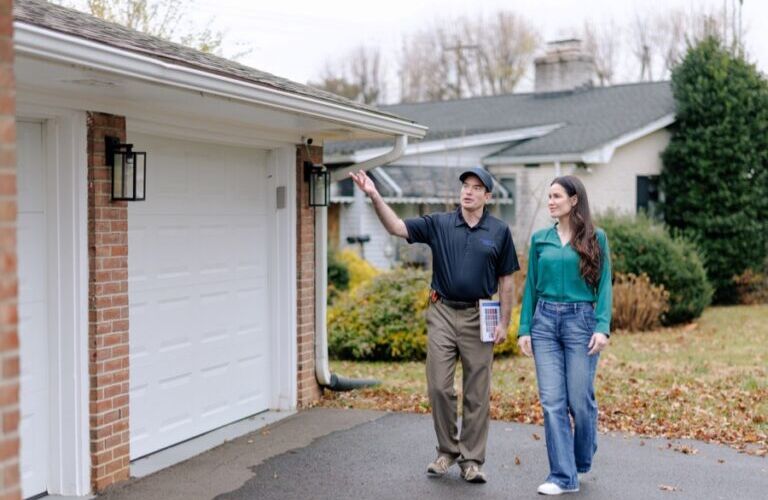
Call or fill out the form. We’ll schedule a visit, look at the roof and the tree situation, and give you a clear number.
Phone: (855) 556-6337