A roof leak has a way of showing up at the worst possible moment, usually in the middle of a storm and usually right over something you care about. The good news is that the first hour matters more than the size of the stain. If you slow the water down, protect what is underneath, and get the source looked at before the next rain, most leaks stay small and cheap to fix.
Here is exactly what to do, in order, from the moment you notice the drip.
First, keep people safe
Water and electricity do not mix. If the leak is anywhere near a light fixture, a ceiling fan, or an outlet, or if you see water tracking along a wire, cut the power to that part of the house at the breaker before you touch anything.
Move people and pets out of the room if the ceiling is sagging. A ceiling holding a pocket of water can come down fast and heavy. Never climb onto the roof during rain, wind, or ice. No temporary fix is worth a fall, and a wet roof is one of the most dangerous surfaces there is.
Contain the water
Put a bucket, tote, or trash can under every active drip. Lay old towels or a plastic sheet around each container so splashes do not soak the floor, and swap containers before they overflow. If water is running across the ceiling and dripping from several spots, that usually means it is entering somewhere higher and traveling along a beam, so put down more containers than you think you need.
Get furniture, rugs, electronics, and anything with sentimental value out of the path. Anything you cannot move, cover with plastic.
Relieve a bulging ceiling
If you see a bulge or a heavy sag in the drywall where water is pooling above it, that pool is a bigger threat than the drip. Set a bucket underneath, then use a screwdriver to poke a small hole at the lowest point of the bulge and let it drain in a controlled stream.
It feels wrong to put a hole in your own ceiling on purpose. Do it anyway. A single small hole is a cheap patch later. A collapsed, water-logged ceiling across the whole room is not.
Document everything for insurance
Before you clean up, take photos and a short video of the wet ceiling, the stain, the ruined items, and the containers catching water. Note the date and, if you can, roughly when the leak started.
This five-minute step protects you if you end up filing a claim. Insurers want to see the damage as it happened, not after it dried. Keep receipts for any tarps, buckets, or supplies you buy, since those are sometimes reimbursable too.
Find where the water is getting in
Water almost never enters directly above where it drips. It runs downhill along the underside of the roof deck and the framing, then falls at the first low point, so the ceiling stain can be several feet from the real hole.
If you can get into the attic safely with a flashlight, look for the trail: wet or matted insulation, dark water stains on the underside of the wood, or a spot of daylight coming through. Follow the wet wood uphill to the highest wet point. That is your best clue to the actual entry.
Take a photo of what you find. It saves your roofer time and helps you describe the problem accurately over the phone.
Apply a temporary fix, if it is safe
The goal of a temporary fix is to buy dry time until a professional can make a permanent repair. It is a bandage, not a cure.
- From inside the attic: If you found the entry point and the wood is dry enough, you can press roofing tape or a dab of roofing cement over a small crack or nail hole on the underside of the deck. Do this only where you can reach comfortably and safely.
- From outside, only when the roof is dry and the weather is calm: A tarp is the most reliable temporary cover. Run it from the ridge down past the leak so water sheds over it, and anchor the edges with boards so wind cannot lift it. A well-anchored tarp typically holds for 30 to 90 days. Tape, caulk, or sealant might only survive a storm or two.
If reaching the spot means a ladder in bad weather or walking a steep pitch, stop. Let a pro handle it. That is what they are for.
Dry the area out
Once the water is contained, get air moving. Run fans and a dehumidifier in the affected room and the attic. Drying things out quickly is what keeps a one-time leak from turning into a mold problem, and mold is a slow, expensive headache you would rather skip.
Call a roofing professional
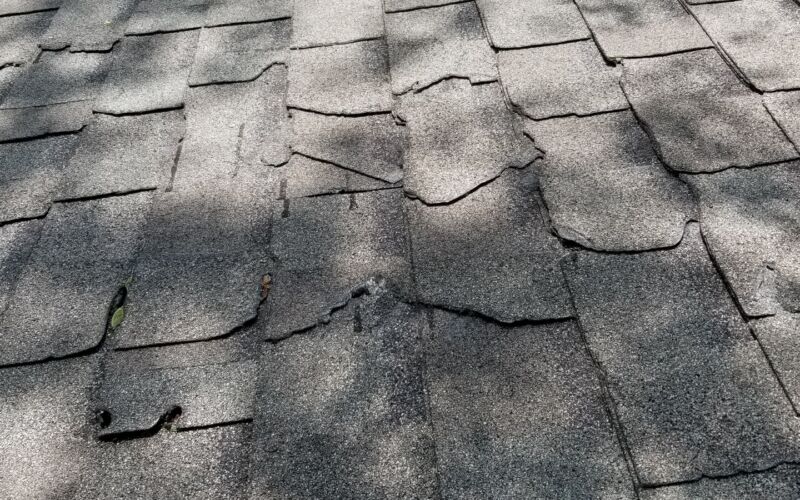
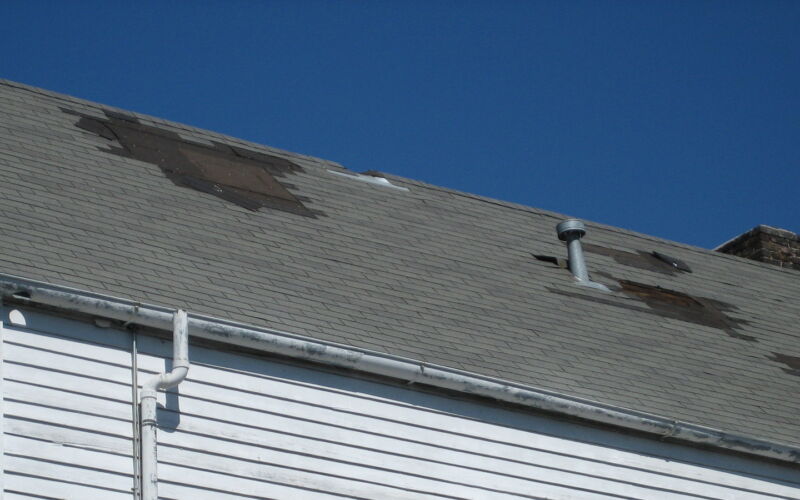
Even a leak you managed to slow to a stop needs a real diagnosis. The visible drip is a symptom. The cause could be a lifted shingle, cracked flashing around a chimney or vent, a worn valley, a failed pipe boot, or an ice dam from last winter. Guessing wrong means the leak comes back with the next storm.
A good roofer will find the actual source, tell you honestly whether it is a spot repair or a sign of a roof near the end of its life, and put the fix in writing. At Modern Exteriors that inspection is free, the quote is written down, and there is no obligation and no follow-up harassment. If you would rather talk it through, call us at (855) 556-6337.
What causes roof leaks in the first place
Most leaks trace back to one of a handful of usual suspects:
- Damaged or missing shingles from wind, hail, or age.
- Failed flashing at the joints where the roof meets a chimney, skylight, wall, or vent. Flashing is one of the most common leak points because it lives at every seam.
- Worn pipe boots, the rubber collars around plumbing vents, which crack and let water in after a few years of sun.
- Clogged gutters that let water back up under the shingle edge instead of draining away.
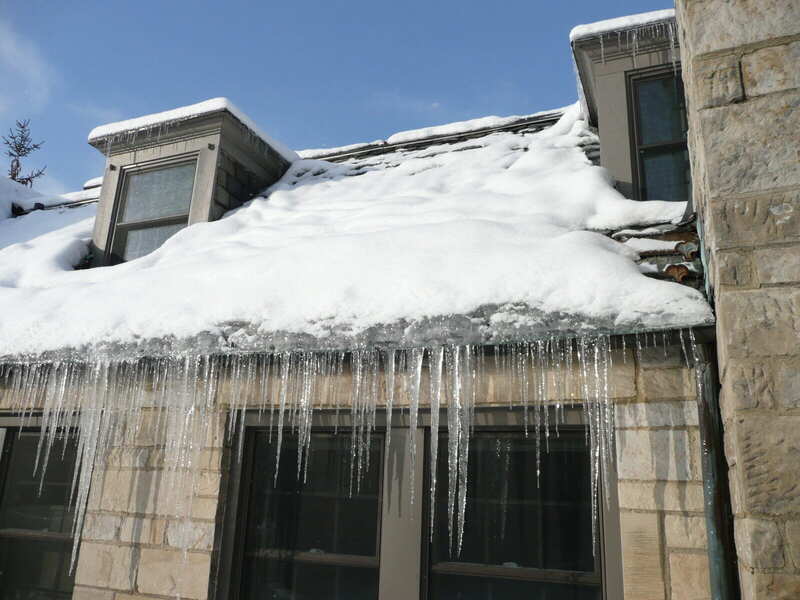
- Ice dams, which are a real factor across Delaware, Pennsylvania, New Jersey, Maryland, and Virginia winters. Snow melts, refreezes at the cold eave, and forces water backward under the shingles.
- Aging materials and old sealant that have simply reached the end of their service life.
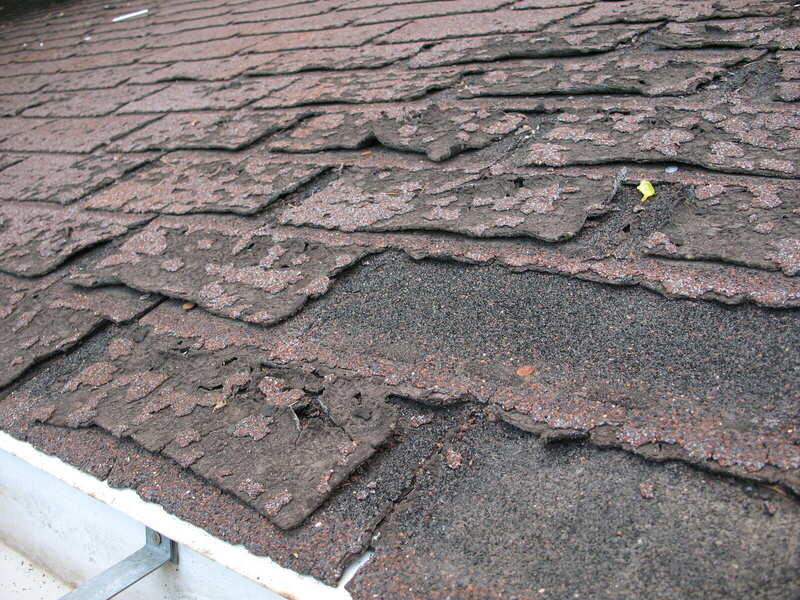
If you are wondering whether your roof is just getting old, our guide to how long a roof lasts walks through what to expect by material.
Does homeowners insurance cover a roof leak?
It depends on the cause, and that distinction is the whole game.
Insurance generally does cover leaks from a sudden, named peril: a windstorm, hail, a fallen tree limb, or the weight of ice and snow. That is the kind of damage you could not have seen coming.
Insurance generally does not cover leaks blamed on gradual wear and tear, age, neglected maintenance, or rot that built up over years. From the insurer’s view, that damage was preventable.
This is exactly why the photos and the professional inspection matter. A dated record of a storm, plus a roofer’s assessment of the cause, is what turns a maybe into a covered claim. When in doubt, call your insurer and ask before you assume you are on your own.
How to prevent the next leak
You cannot control the weather, but you can take away most of a leak’s opportunities:
- Have the roof inspected once a year, and again after any major storm.
- Keep gutters and downspouts clear so water actually drains.
- Trim branches that hang over or rub against the roof.
- Deal with small issues, a lifted shingle or a cracked boot, while they are still small.
A short inspection now is far cheaper than a ceiling repair later.
Frequently asked questions
Is a leaking roof an emergency?
Treat it as urgent even if the drip looks minor. Water spreads fast through insulation, drywall, and framing, and a small leak today can become a structural and mold problem within days. Contain it now and get it inspected quickly.
Can I stop a roof leak from the inside?
You can slow or temporarily stop one from inside the attic by patching the entry point with roofing tape or cement, once you have found it and the wood is dry. It is a short-term measure. The permanent fix has to happen on the outside of the roof.
How long can I leave a roof leak before fixing it?
Not long. Even a slow leak keeps feeding moisture into your home every time it rains, and the damage compounds. A temporary tarp buys weeks, not months. Book the real repair as soon as you reasonably can.
Why is my roof leaking only in heavy rain?
Some leaks only show up when rain is hard enough or wind-driven enough to push water past a marginal shingle, a shallow valley, or worn flashing. A calm day will not reveal them, which is one more reason a professional inspection beats waiting for the next storm to guess.
Who do I call for a roof leak?
A licensed roofing contractor. Modern Exteriors covers Delaware, Pennsylvania, New Jersey, Maryland, and Virginia. You can request a free inspection online or call (855) 556-6337.
The bottom line
A leaking roof feels like a crisis, but the playbook is simple: keep people safe, contain the water, protect the ceiling, document the damage, and get the source found before it rains again. Handle the first hour well and you turn an emergency into an ordinary repair.
If you are anywhere in our service area and want a straight answer about what your roof needs, get a free, no-pressure inspection from Modern Exteriors.