If you’re standing in your yard squinting up at your roof trying to decide whether it’s actually failing or just looking rough, you’re not alone. Most homeowners can’t tell the difference between a roof that needs a $300 repair and one that needs full replacement, and honestly, from the ground, sometimes we can’t either. That’s what the shingle-lift test in the checklist below is for. But there are seven signs you need a new roof that are reliable enough to act on without climbing up there yourself, and we’ll walk through each one, what it actually means, and whether it’s a repair situation or a replace-the-whole-roof situation.
Quick Self-Check: Do You Need a New Roof?
Run through this from the ground or a second-story window. You don’t need to get on the roof for any of it.
- Look at your roof from across the street. Does any section look wavy, dipped, or uneven compared to the ridgeline? That’s the single fastest way to know if you need a new roof.
- Check your gutters after a hard rain for a layer of dark, sandy grit. That’s shingle granule loss, and a little is normal, a lot is not.
- Count how many shingles are curling at the corners or edges, visible from the ground with binoculars if you have them.
- Go into your attic on a sunny day with the lights off. Any pinpricks of daylight coming through the roof deck are an automatic yes.
- Pull up your last roof installation date or, if you don’t know it, ask a neighbor with a similar-age house or check your home inspection report from when you bought.
- Look for green or black streaking, especially on north-facing slopes that stay shaded and damp longer.
- Optional, only if you have a ladder and can safely reach the lowest edge of the roof without stepping onto it: try the shingle-lift test. Gently lift the corner of one shingle near the eave. If it flexes and lays back down, the mat still has life left. If it snaps, crumbles, or stays bent, the asphalt has dried out and that’s a real aging signal, not something to shrug off as cosmetic.
Two or more yeses and it’s worth a professional look. One yes, especially the daylight-in-the-attic one, and you should call regardless.
7 Signs You Need a New Roof
These are ranked roughly by how many houses we actually see them on, not by severity. Severity is called out individually.
1. Curling or Buckling Shingles
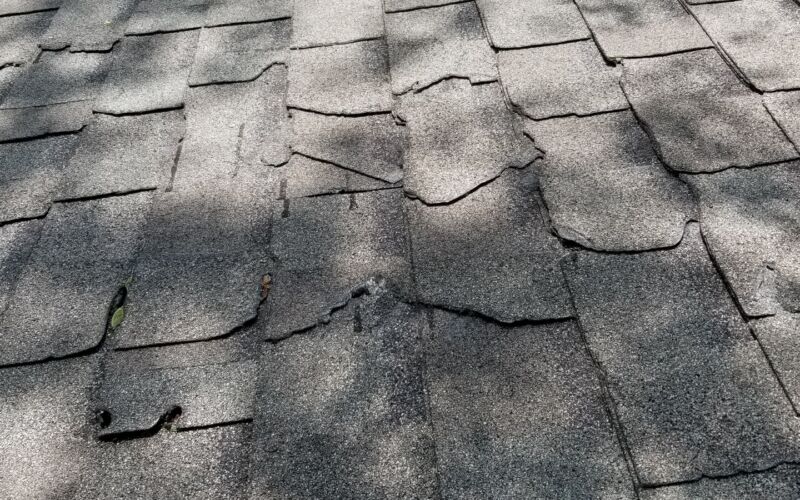
Shingles curl at the edges (called clawing) or buckle in ridges running up the slope. What it means: the shingle is drying out and losing its ability to seal against wind and water, usually from age or heat cycling in an under-ventilated attic. A handful of curling shingles on one slope can sometimes be spot-repaired. Curling across most of the roof means the whole batch is at the same point in its life and more will follow within a year or two, so full replacement is the honest answer even though a partial repair is technically possible.
2. Granules in the Gutters
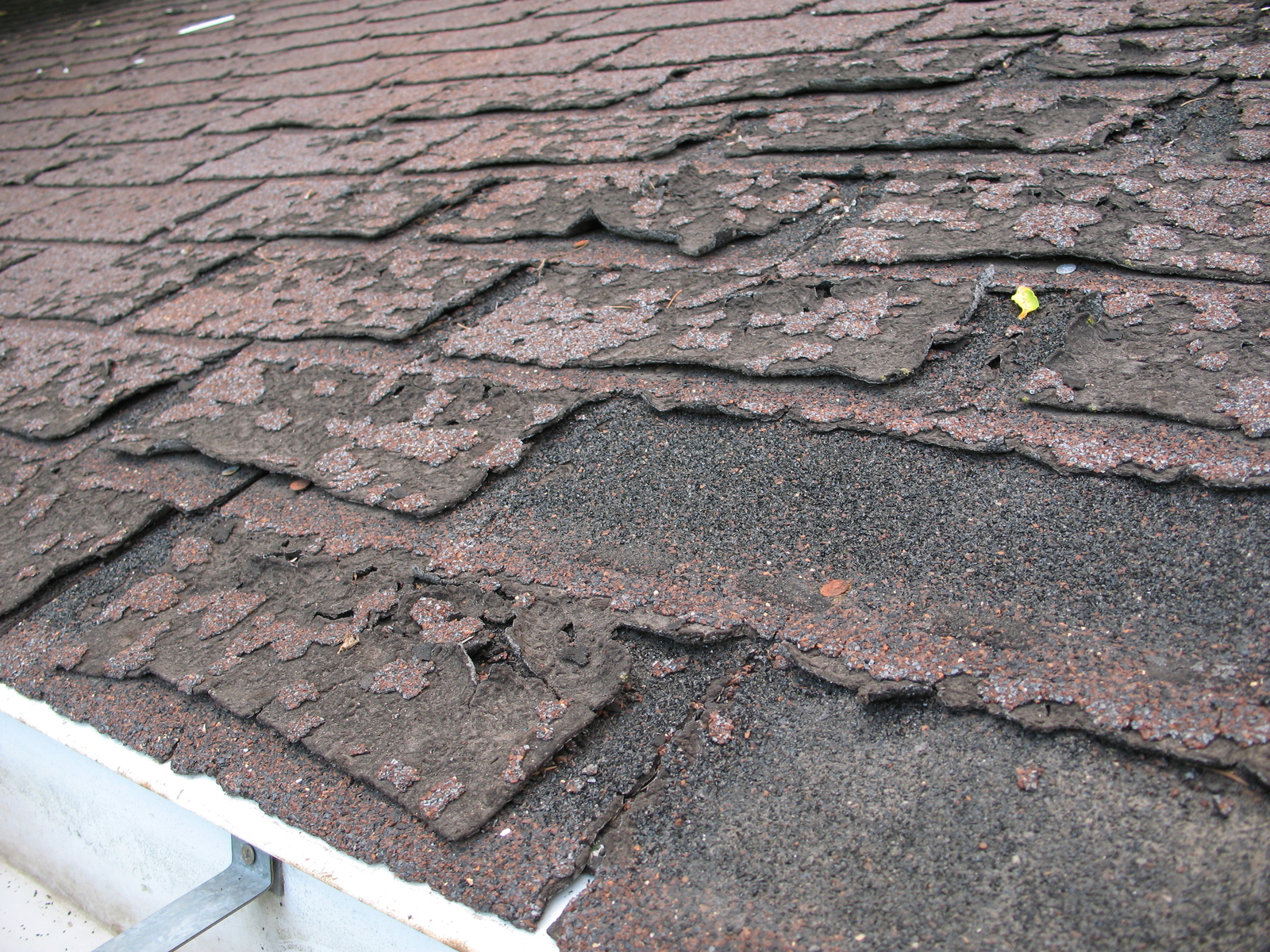
Asphalt shingles are coated in mineral granules that shed slowly over the roof’s life, more heavily in the first year or two after installation (that’s normal, manufacturing residue washing off) and again near the end of the roof’s life as the asphalt underneath starts to break down. What it means, practically: a coffee-can’s worth after a storm is fine. Gutters that look like they’re filling with sand every time it rains means the shingles have lost their protective coating and are aging fast underneath. This one’s a repair-or-replace judgment call that really depends on the roof’s age, which is why we pair it with sign #3.
3. Roof Age Over 20 Years
This one isn’t a visual sign so much as a countdown. Most asphalt shingle roofs are built for around two decades of service, though that number moves a lot depending on climate, material quality, and how well the attic is ventilated. If your roof is past 20 and showing any of the other signs on this list, replacement stops being a maybe. If it’s past 20 and looks fine, get it inspected rather than waiting for a visible problem, because the failure mode on an old roof is often invisible until it isn’t. We’ve got a full breakdown of how long a roof lasts by material if you want the specifics for slate, metal, or tile instead of asphalt.
4. Daylight Through the Roof Boards
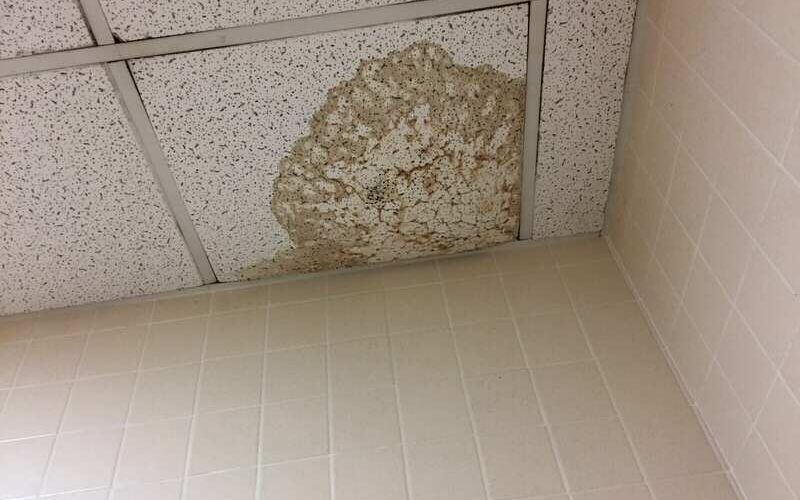
Go into your attic, turn off the lights, and look up. Any daylight coming through means there’s a gap in the roof deck or flashing, which means water is getting in too, whether you’ve noticed a stain yet or not. This is the one sign on this list that means replace, not repair, in most cases. By the time you can see light, the deck itself is already compromised, and shingles alone won’t fix that.
5. Sagging Roof Deck
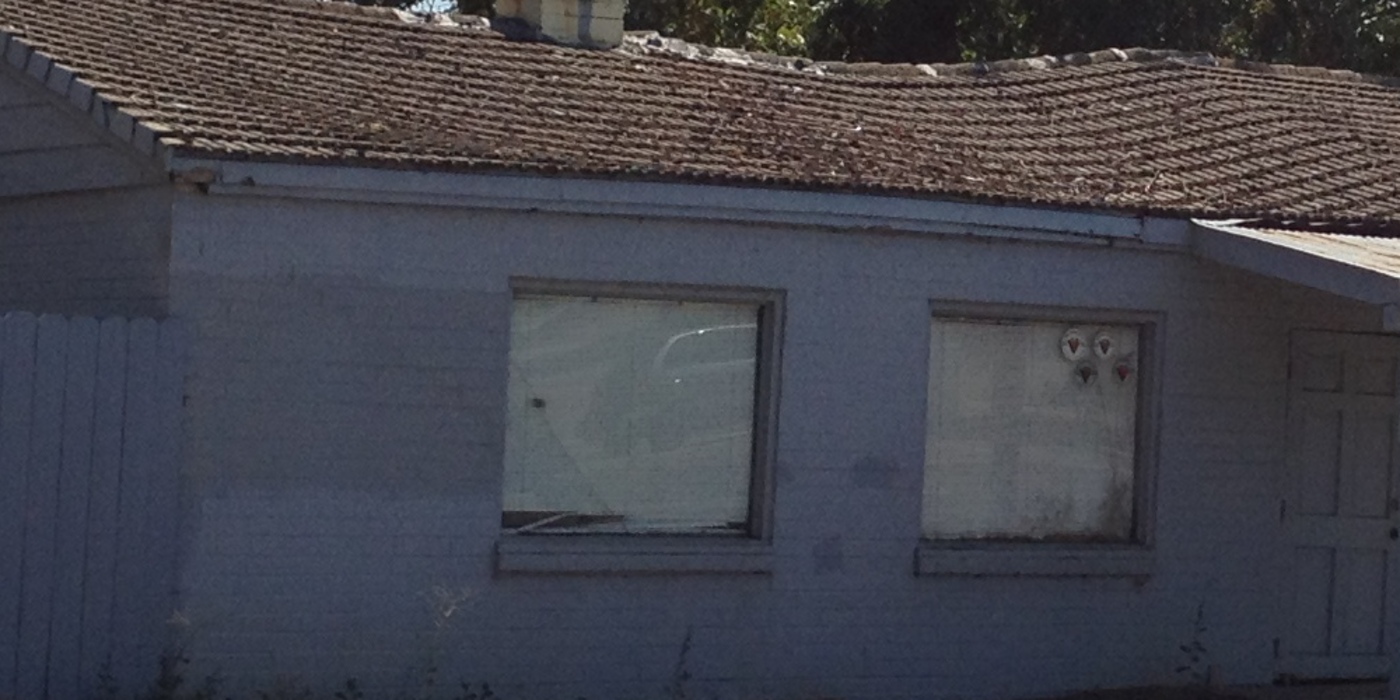
Stand back and look at your roofline. It should be straight. Any dip, wave, or sag, especially near valleys or where the roof meets a wall, is structural, not cosmetic, and it’s the most severe item on this list. Sagging usually means water has been getting into the decking for a while and it’s starting to lose structural integrity. Don’t wait on this one. Full replacement, and depending on how far it’s gone, some deck framing repair underneath.
6. Missing or Cracked Shingles
A few missing shingles after a windstorm is a repair, full stop, assuming the roof underneath is otherwise healthy. The distinction that matters is whether the shingles came off cleanly (fine, they were probably nailed wrong or a gust got under a loose edge) or whether they’re brittle and cracking apart (the whole roof is past its useful life and this is just the first visible casualty). If you’re finding shingle pieces in the yard every few months without a storm to explain it, that’s the brittle version.
7. Moss or Algae Growth
Green or black streaking, usually on shaded north-facing slopes. This one gets overstated online. Algae staining is mostly cosmetic and doesn’t mean you need a new roof by itself. Thick moss is a different story: it holds moisture against the shingle surface and can work its way under the edges over a couple of seasons, which shortens the roof’s remaining life even if the moss itself looks harmless. A one-time cleaning handles algae. Moss that keeps coming back after cleaning is worth a closer inspection, not necessarily a replacement.
Signs of Roof Damage vs. Signs You Need Full Replacement
Not every sign of roof damage counts among the real roof replacement warning signs, and that distinction trips people up more than anything else on this page. A single tree branch punching through a section, a chimney flashing leak, a handful of wind-lifted shingles: these are localized and usually fixable without touching the rest of the roof. What pushes something from “damage” into “needs full replacement” is scope and age acting together. Isolated damage on a roof that’s ten years old and otherwise sound gets repaired. The exact same isolated damage on a 22-year-old roof that’s already showing granule loss and curling elsewhere is usually the excuse to just replace the whole thing, because you’d be patching a roof that’s going to need full replacement within a couple years anyway.
When to Replace vs. Repair Your Roof
Here’s the rough framework we actually use on-site. If the damage covers less than 30% of the roof and the roof is under 15 years old, repair. If it’s more than one slope affected, or the roof is past 20, replacement usually makes more financial sense even if a repair is technically possible, because you’re not paying to patch something that’s already most of the way to needing full replacement anyway. The gray zone is roofs between 15 and 20 years old with moderate, spread-out wear. That’s where an actual inspection matters more than any rule of thumb, and on the jobs our crews run around Delaware, that 15-to-20-year gray zone is the single most common call we get, more than any of the dramatic-sounding signs above. For a full cost comparison between the two paths, our roof repair cost guide breaks down repair pricing against replacement pricing side by side.
One opinion, since we get asked this a lot: we’d rather talk a homeowner out of an unnecessary full replacement than sell one. A roof that’s 12 years old with a few missing shingles from a storm does not need to come off. We see other contractors push replacement on roofs that had years of life left, and it’s a bad look for the industry. If someone’s telling you to replace a roof under 15 years old without a documented structural or deck issue, get a second opinion.
How Roof Age Affects Insurance and Replacement Timing
This part surprises people. Insurance companies care about roof age independent of how the roof looks. According to the National Roofing Contractors Association, most new roofs are designed to provide about 20 years of useful service life, though actual lifespan varies with climate, material quality, installation, and maintenance. That design-life figure is roughly what insurers price against, whether or not your specific roof looks its age.
The Insurance Information Institute treats roof age as one of the most important variables in predicting whether an asphalt shingle roof will hold up in a wind event. Their analysis of 2020 convective storm data found that asphalt shingle roofs 10 years or older had a 25% chance of storm damage. That’s not a small number, and it’s a big part of why some carriers in older housing stock start asking pointed questions, or adjusting premiums, once a roof crosses that 10-year mark, well before it’s actually failing. Worth checking your own policy language on this rather than assuming it doesn’t apply to you. Delaware’s mix of humid summers and freeze-thaw winters is exactly the kind of cycle that ages asphalt shingles faster than the NRCA’s 20-year figure assumes, so if you’re closer to the coast or dealing with older housing stock inland, don’t be surprised if your carrier flags the roof before you would have.
How Much Does a New Roof Cost?
Short version: it depends heavily on material, size, and pitch, and the full number range is big enough that it deserves its own page rather than a paragraph here. Our roof replacement cost guide has the current pricing breakdown by material and roof size. If you’re not sure yet whether you’re looking at a repair or a full replacement, a professional inspection is the cheapest way to find out for certain, usually a fraction of either job’s cost.
If you already know which one you need, you can skip the guesswork and request a free quote and we’ll get someone out to take a real look.
FAQ
How can you tell if you need a new roof? Look for curling or missing shingles, granules piling up in the gutters, daylight visible through the attic roof boards, a sagging roofline, or a roof past 20 years old. Any one of these alone is worth a look. Two or more together usually means it’s time.
How do I know if I need a new roof? Run the self-check above. If you see daylight in the attic or any sag in the roofline, don’t wait on an inspection, those two are the most reliable indicators that the deck itself is compromised.
Do I need a new roof or can it be repaired? If the damage is isolated, one slope, one storm, one leak source, and the roof is under 15 years old, it’s almost always a repair. Spread-out wear on a roof past 20 tips toward full replacement. Anything in between genuinely needs a person on the roof to call it, not a rule of thumb.